Experts Warn Iranian War Pollution Could Cause Decades of Health Risks as Oil Spills Mount
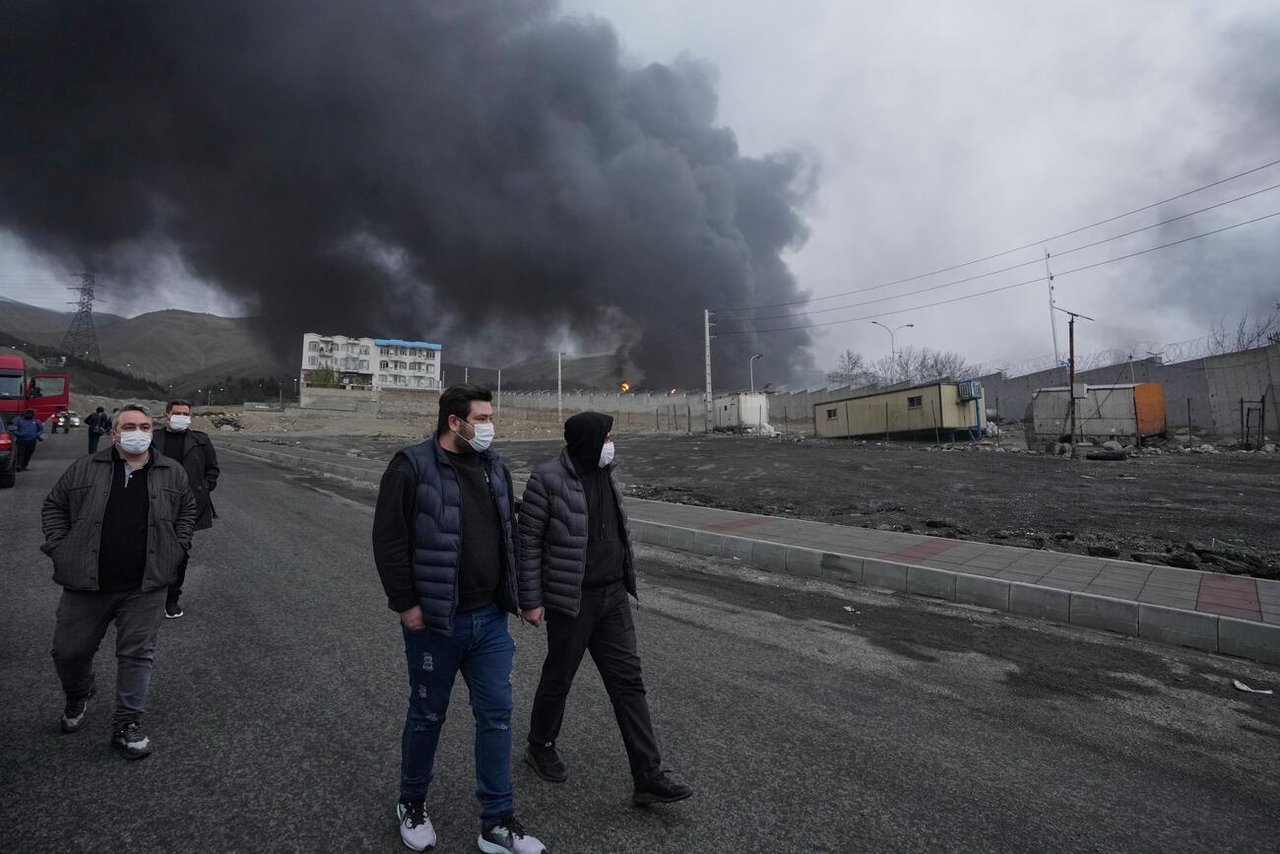
Military strikes on gas fields, nuclear sites, desalination plants, and oil depots are leaching toxic pollutants into the air while debris sinks across the waterway's surface with black smoke billowing from burning facilities.
Key Points
-
1Experts warn that environmental destruction from attacks on gas fields, nuclear sites, desalination plants, and oil depots poses severe long-term health risks.
-
2Pollutants including toxic chemicals and heavy metals are leaching into the air, soil, water of the Persian Gulf due to debris sinking during missile strikes.
-
3The conflict threatens critical infrastructure such as agriculture systems and drinking water access for millions in Iran.
Developments
Experts warn that Iran's conflict is releasing toxic pollutants and debris into its environment through burning fuel depots and sinking ships. While over 400 environmental incidents have been recorded so far using satellite data, the full extent of damage remains unknown due to delays in imagery transmission caused by an internet blackout.
Experts warn that attacks on Iranian gas fields, nuclear sites, desalination plants, oil depots, military targets, ships, tankers, and infrastructure are leaching a mix of toxins into the air, soil, water, agriculture, drinking supplies. This pollution poses immediate health risks such as lung damage from soot while creating long-term environmental hazards that could persist for decades due to delays in documenting full-scale damages caused by internet blackouts
Experts warn that the Iran war is releasing toxic chemicals into waterways due to burning oil fields, ships, and depots. This pollution threatens drinking water access for millions while creating environmental damage expected to persist in Persia Gulf ecosystems for decades.
Experts warn that Iran's conflict is releasing toxic chemicals and heavy metals through burning fuel depots and sinking ships. This pollution threatens agriculture, drinking water, human health for decades to come while complicating damage assessment due to satellite delays in the region.
Experts warn that Iran's war is releasing toxic chemicals like heavy metals into the air, water, soil, agriculture, drinking supplies, food sources. This pollution could cause long-term environmental damage to ecosystems as well health risks for people in regions where oil depots are burning and military sites have been bombed