Oil surges past $119 as Iranian energy strikes escalate
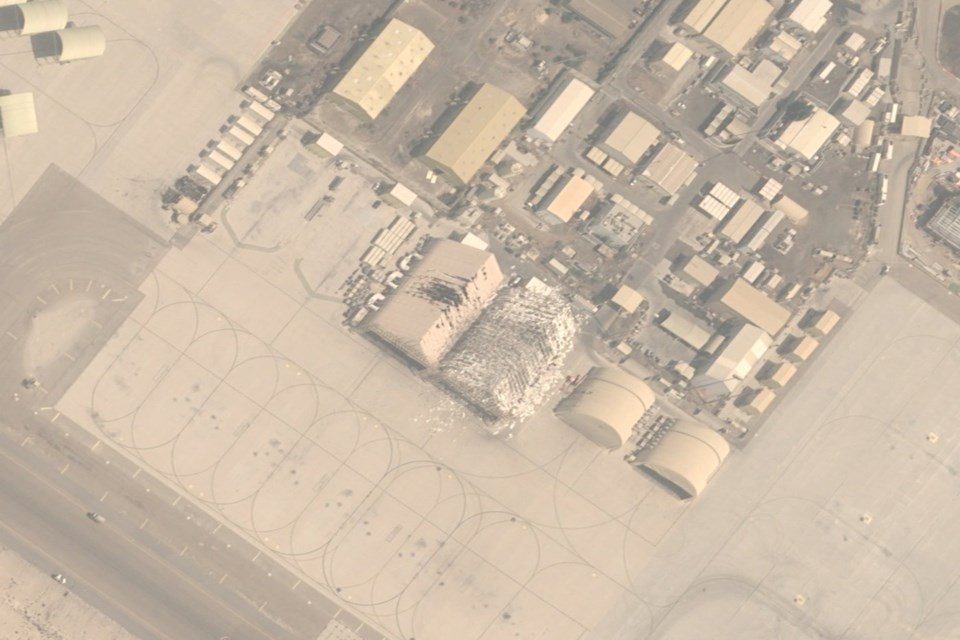
Iran has intensified its attacks across Gulf oil and natural gas facilities in retaliation for an Israeli strike, causing fuel prices to soar above the critical threshold of US$119 per barrel. While Prime Minister Benjamin Netanyahu declared that Tehran no longer possesses the capability to enrich uranium or produce ballistic missiles following this escalation on Thursday morning (Mar 20), Israel has decided not to continue striking a key Iranian gas field in response to these new attacks, which have already sent shock waves through global energy markets and risked further regional conflict.
Key Points
-
1Iran has escalated military operations by intensifying strikes against energy infrastructure across the Persian Gulf.
-
2The retaliatory actions were taken following an Israeli attack on a key Iranian natural gas field, prompting fuel prices to soar past $119 per barrel.
Developments
Iran intensified its strikes on oil and gas facilities across the Persian Gulf following an Israeli attack on a key field, causing global fuel prices to surge by over 60%. These retaliatory actions have heightened regional tensions while Iran's leadership continues missile attacks against Arab neighbors despite claims that Israel halted further assaults under US request.
Iran intensified retaliatory strikes on oil, gas facilities in Qatar and across the Gulf following an Israeli attack that killed key Iranian leaders but left energy production capabilities intact. These attacks have caused global fuel prices to surge significantly while risking direct involvement from Arab neighbors due to disruptions near critical waterways like the Strait of Hormuz.
Iran intensified retaliatory strikes on oil and gas facilities in retaliation for an Israeli attack, causing fuel prices to surge by over 60% since February 28. These attacks have raised the risk of regional conflict while stressing global energy supplies already constrained by Iran's control of the Strait of Hormuz.