Missile strike slashes Qatari LNG capacity by 17% amid India supply fears
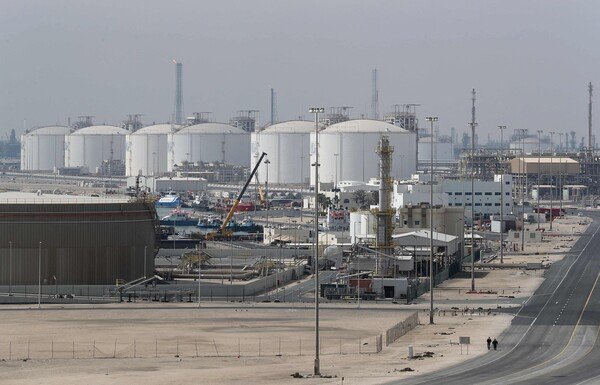
Recent missile attacks on Qatar's Ras Laffan Industrial City have permanently reduced the nation's liquefied natural gas export capability for five years, a move that has triggered global energy panic. The damage to key production facilities is estimated at $20 billion in annual revenue loss while India faces critical risks as it imports 47% of its domestic supply from Ras Laffan alone. Simultaneously the disruption is driving what experts call a "balloon effect" with buyers rapidly shifting demand toward U.S. gas markets to secure alternative volumes amid widening West Asian conflict concerns
Key Points
-
1Missile attacks on Ras Laffan Industrial City have reduced Qatar's LNG export capacity by 17% and will remain at this level for five years.
-
2QatarEnergy estimates the damage from strikes occurring March 18-20, resulting in an annual revenue loss of approximately $20 billion due to extensive facility destruction.
-
3India faces significant supply risks as it imports over two-fifths (46.7%) and up to half its total gas requirements directly from Ras Laffan facilities that were targeted.
-
4"Balloon effect" dynamics are emerging globally, with international buyers shifting demand toward U.S.-produced LNG in response to the disruption of Qatar's supply chain.
Developments
Perspectives
Missile attacks on Qatar's Ras Laffan Industrial City have significantly disrupted global energy supplies, reducing the country's liquefied natural gas (LNG) export capacity by 17 per cent and raising concerns for import-dependent nations like India.
— [Mar 20, 04:56] TimesofomanQatarEnergy said the strikes caused extensive damage to key production facilities and are expected to result in an estimated loss of USD 20 billion in annual revenue
— [Mar 20, 03:45] DeccanchronicleThe widening conflict has entered a critical new phase with targeting energy infrastructure raising risks for India's gas supply and economy.
— (Prod-qt-images.s3.amazonaws.com)A disruption in Qatar's liquefied natural gas (LNG) supply is driving so-called 'balloon effect,' where global demand shifts toward U.S. gas as buyers scramble to find alternative volumes
— [Mar 20, 1:57] KoreapostIran's missile attack on six key facilities in the world-class liquefied natural gas (LNG) hub of Qatar has caused extensive damage, with repairs estimated at three years and annual revenue losses around $20 billion. This direct strike threatens to disrupt roughly 17% of global LNG exports from a major supplier that accounts for over two-fifths of India's total imports, raising significant risks for the nation's gas supply stability and economy.
Missile attacks on March 18–early March 20, which damaged key facilities in Ras Laffan Industrial City and caused an estimated $20 billion annual revenue loss, have reduced Qatar's LNG export capacity by approximately 17% for up to five years. This disruption threatens India significantly as the country relies heavily—accounting nearly half of its total imports—for Qatari gas supplies that are expected in excess of USD$64 per year worth $20 billion annually
Missile strikes on March 18–20 caused extensive damage to Ras Laffan's LNG facilities in QatarEnergy. This has reduced export capacity by approximately 35% due to the destruction of two trains, resulting in an estimated $4 billion annual revenue loss and forcing long-term force majeure declarations that will take up to five years for repairs; India remains heavily dependent on these exports as a primary supplier but faces increased vulnerability amid rising geopolitical tensions.