U.S. bans import of all newly manufactured consumer Wi-Fi routers from abroad following security concerns
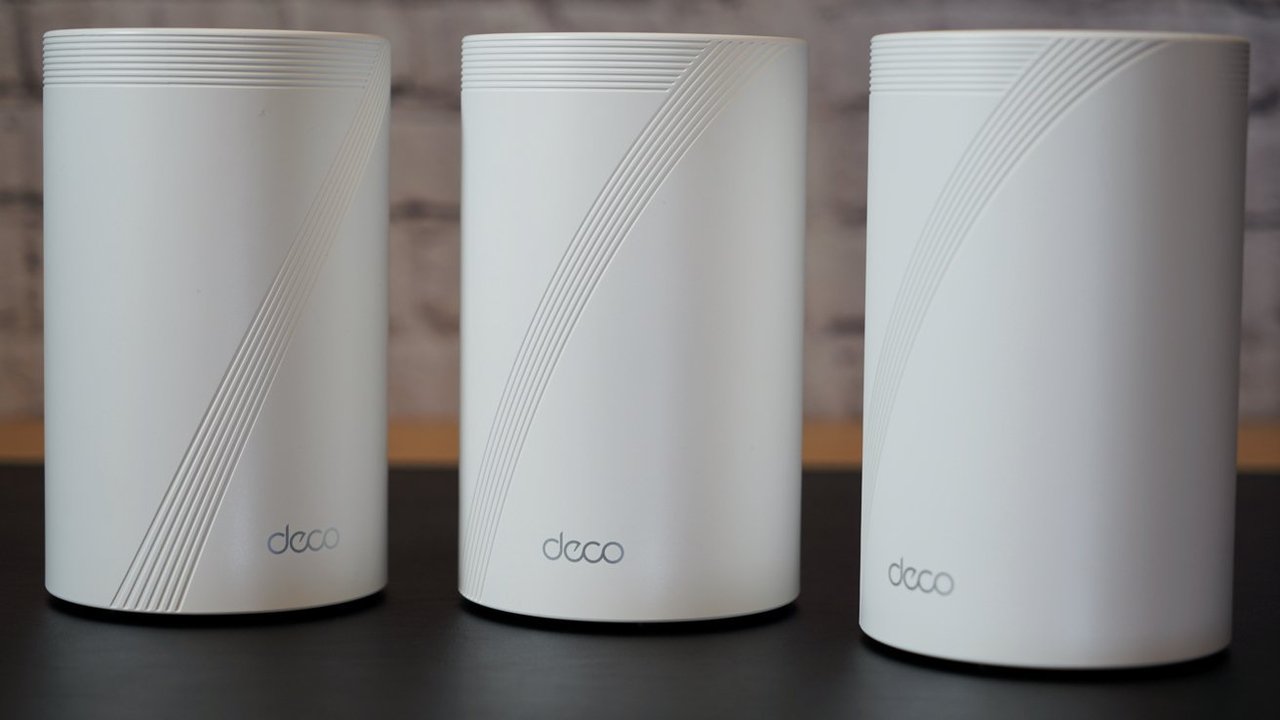
On March 24, the United States FCC announced a ban on importing new foreign-made consumer internet devices to address rising cybersecurity threats linked to spyware found in router firmware used by millions across America's infrastructure; while this restriction targets all non-U.S.-origin routers regardless of brand or manufacturer including Apple and Google products that may have been affected earlier due to similar vulnerabilities, the agency specifically exempted Nest Wifi units from these new import restrictions.
Key Points
-
1The US Federal Communications Commission (FCC) has banned imports of all new consumer-grade internet and Wi-Fi routers manufactured outside the United States.
-
2This ban is justified by concerns over national security, citing fears regarding Chinese spies and botnets following a surge in foreign brand market share during the pandemic.
-
3While most non-US devices are restricted under this rule, specific exceptions exist for certain manufacturers or products that may receive exemptions similar to previous drone bans.
Developments
The Federal Communications Commission (FCC) banned the import and sale of Wi-Fi routers manufactured outside the United States due to national security risks associated with foreign-made cyberattacks on American infrastructure. While existing U.S.-authorized home networks remain unaffected from this ban, it significantly restricts access to major global brands like TP-Link because most popular models are produced overseas in China rather than domestically.
The FCC has banned future imports of consumer networking gear made outside the United States due to alleged national security risks. While existing authorized devices can continue operating or importing under specific conditions, new foreign-made router manufacturers must either secure conditional approval for US entry while committing to open up manufacturing in America or cease selling products there entirely.