Middle East conflict disrupts global fertiliser supply chains, threatening U.S., African
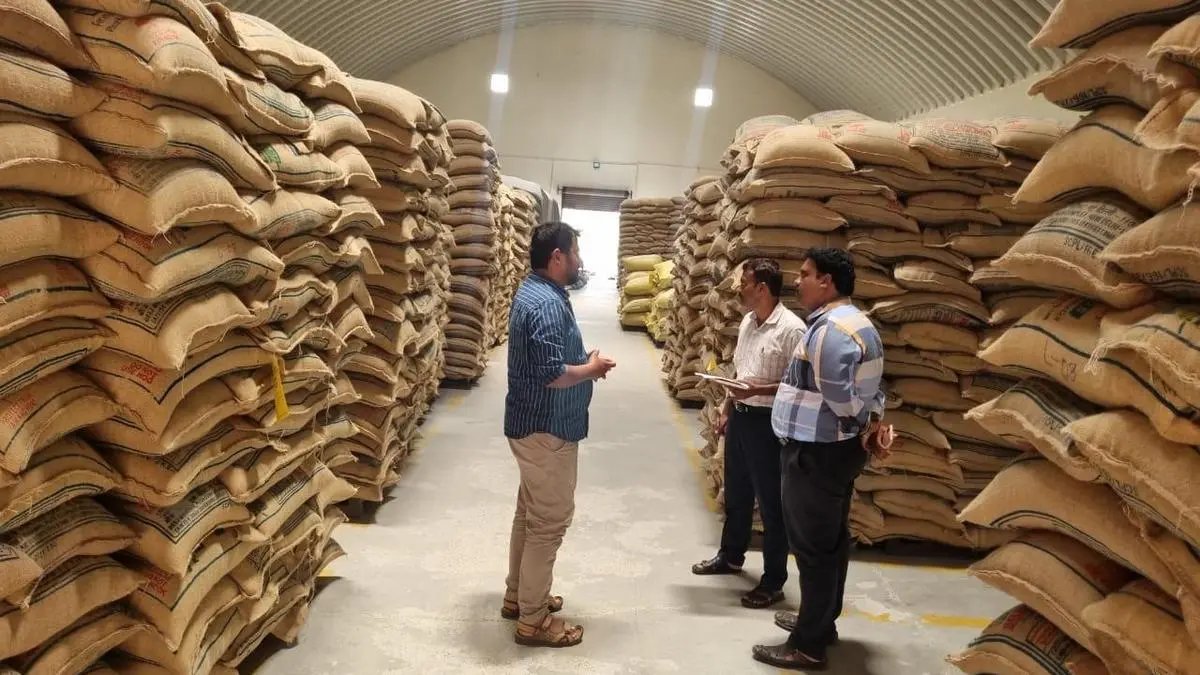
As a third week of fighting between Iran's proxies in Syria has cut off critical nitrogen fertilizer supplies from Gulf ports to the world. Analyst warn that shipments across Strait Hormuz are stranded due war escalating tensions with US-Israeli strikes on Iranian targets, driving up prices for essential crop inputs like sulphur and urea experts say one-third global fertiliser ingredients remain at risk of disruption India faces squeeze in key chemicals needed agriculture sector while African nations where farmers depend heavily imported supplies face supply chain disruptions.
Key Points
-
1Approximately one-third or more than half of globally shipped fertilizer passes through the strategically critical but currently blocked Strait of Hormuz.
-
2The ongoing conflict has caused severe disruptions to maritime traffic, leading to rising costs for essential crop fertilizers and threatening food security worldwide.
Developments
Perspectives
About one-third of globally shipped fertilizer passes through the Strait of Hormuz; current U.S.-Israeli attacks on Iranian ships have reduced traffic to almost zero.
— [Mar 20, 19:35] How the Iran war threatens global food supply (Feeds.npr.org)Farmers are directly feeling economic impact as fertilizer costs rise due to blocked maritime shipments through a key route controlled by Iranian forces.
— [Mar 19, 18:23] Farmers see fertilizer prices jump as Iran blocks key shipping route - Thu, 19 Mar 2026 PST (Spokesman)The conflict is causing alarm because the soaring price of oil and disrupted fuel shipments through Hormuz threaten global food security via a fertiliser shortage.
— [Mar 18, 12:23] Not just energy: How the Iran war could trigger a global food crisis (Al Jazeera English)Analysts warn that as US-Israeli attacks on Iranian ships continue for weeks into March, fertilizer markets are being severely disrupted and developing countries face endangered near-term output.
— [Mar 18, 05:29] How does the Iran war affect fertiliser supplies, prices and food security? (Asiaone)The closure of commercial traffic through Hormuz is not just an oil issue but has snared other less conspicuous products like sulphur that are critical for fertilizer production.
— [Mar 17, 13:23] Blocking Fertilisers: The Hormuz Strait and Agricultural Shock (Middleeastmonitor)The U.S.-Israeli war with Iran has severely disrupted global fertilizer shipments through the Strait of Hormuz due to reduced shipping traffic, causing prices in regions like South Asia and East Africa to spike by up to 30%. Unlike previous disruptions where alternatives were found or stockpiles existed for oil, there are currently no quick substitutes available because Gulf countries produce essential raw ingredients that cannot be easily replaced.
The ongoing war in Iran has triggered global food security concerns due to the disruption of shipping through the Strait of Hormuz, which exports nearly half of the world's urea fertilizer and relies on natural gas for production. Recent attacks have forced major producers like QatarEnergy and several plants across India, Bangladesh, and potentially 25% more capacity in the US to shut down or reduce output while export prices surge by approximately $10 per metric tonne (from just under $768).
The US-Israel war against Iran is severely disrupting fertiliser markets by closing key shipping routes like Hormuz Strait and halting energy production in Gulf facilities. These disruptions threaten global food security because nearly half of world's crops rely on nitrogen-based urea, which accounts for up to 50% of grain production costs in some nations but cannot be easily stored or substituted if not applied during the current planting season.