Sri Lanka shifts public sector on 4-day work week
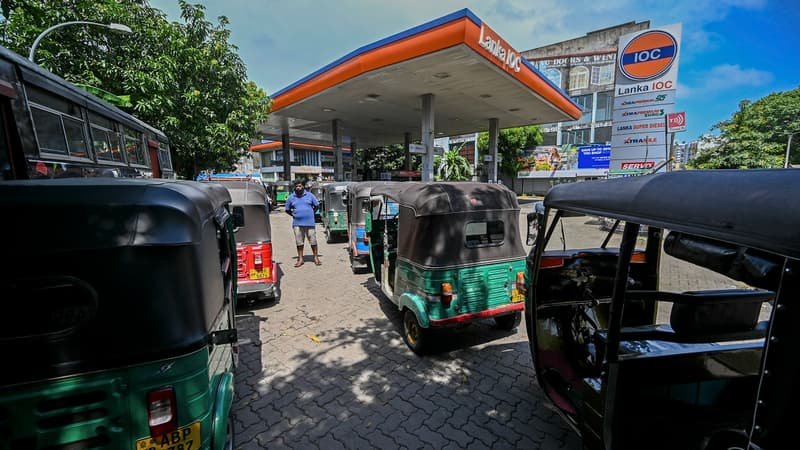
To conserve scarce fuel reserves threatened by disruptions to global energy supplies through the Strait of Hormuz, officials in Colombo have announced a four-day working week for government institutions starting March 20. The measure follows warnings that ongoing Middle East tensions could trigger severe shortages across South Asia as nations struggle with dwindling LPG and gasoline stocks.
Key Points
-
1Sri Lanka has announced an immediate shift from five-day to four-day work weeks starting March 18 for government institutions and schools.
-
2The primary motivation is a severe fuel shortage caused by the disruption of oil supplies through the Strait of Hormuz due to Middle East tensions involving Iran, with officials citing only six weeks' worth of reserves remaining.
-
3This measure aims specifically at public sector entities including universities; private sectors are not explicitly mentioned in these reports.
-
4The announcement was made on Monday (March 16) by the Commissioner General and other government bodies to prevent a crippling energy crisis.
Developments
Sri Lanka is shifting state institutions from five- to four-day weeks starting Wednesday in an effort to conserve fuel amid global oil disruptions caused by Middle East tensions and Strait of Hormuz closures. The emergency measure also extends to schools and universities, with the government urging private sector participation while ensuring essential services like hospitals continue normal operations.