Global economy faces historic recession risk amid Iran war-induced fuel surge
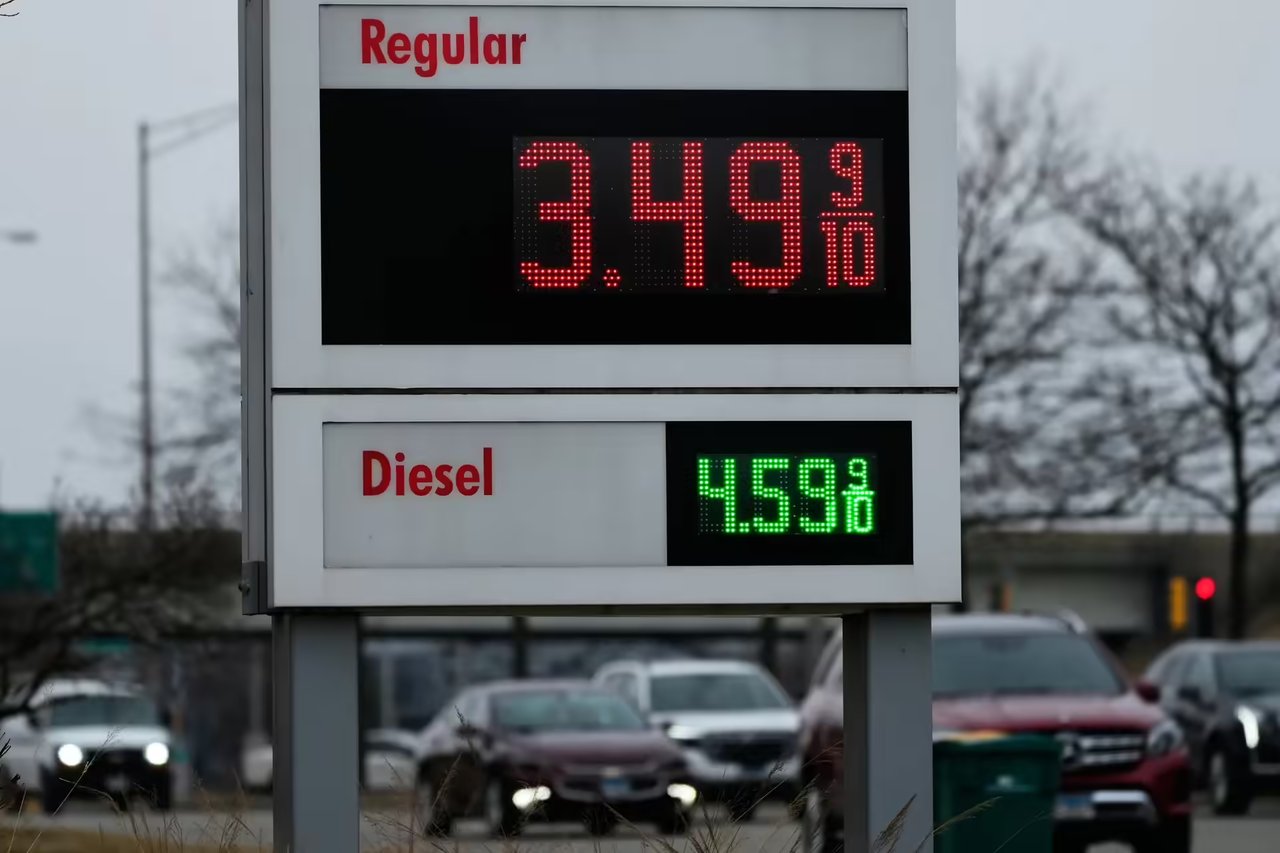
A full-scale conflict between US-Israeli forces and Tehran has triggered what the International Energy Agency describes as a record-breaking oil supply shock, with energy prices surging due to severe disruptions in global markets. The critical Strait of Hormuz is effectively shut down by Iranian attacks on tankers, threatening production that Iraq relies upon for its entire economy while choking exports from other key regions.
Key Points
-
1Oil prices are surging globally due to disruptions caused by a war between Iran and Israel, threatening major economies including those of China.
-
2The closure or restriction of the Strait of Hormuz is causing nearly complete standstill in oil exports from Iraq's economy-dependent industry.
-
3Analysts warn that this conflict represents one of history's largest supply shocks for households worldwide due to severe energy restrictions.
Developments
The war between Iran's proxies in Gaza/Israel has triggered a global economic crisis by upending financial markets with soaring fuel prices due to attacks on vessels passing through the Strait of Hormuz, which handles 20% of world oil supplies. Consequently, Brent crude rose over $14 per barrel (from ~$73) and LNG surged nearly 60%, while QatarEnergy suspended production following a drone attack in March that strained global energy markets further.
Iraq's economy has been severely threatened by an ongoing war between Iran-backed forces in Iraq that have nearly shut down oil exports through the Strait of Hormuz. Consequently, crude production and sales from southern Basra ports are at a standstill due to attacks on facilities and shipping threats, while remaining autonomous region output is also paused following infrastructure underinvestment issues exposed during this disruption