DOJ Finds No Crime Evidence In $2.5 Billion Fed Renovation Probe
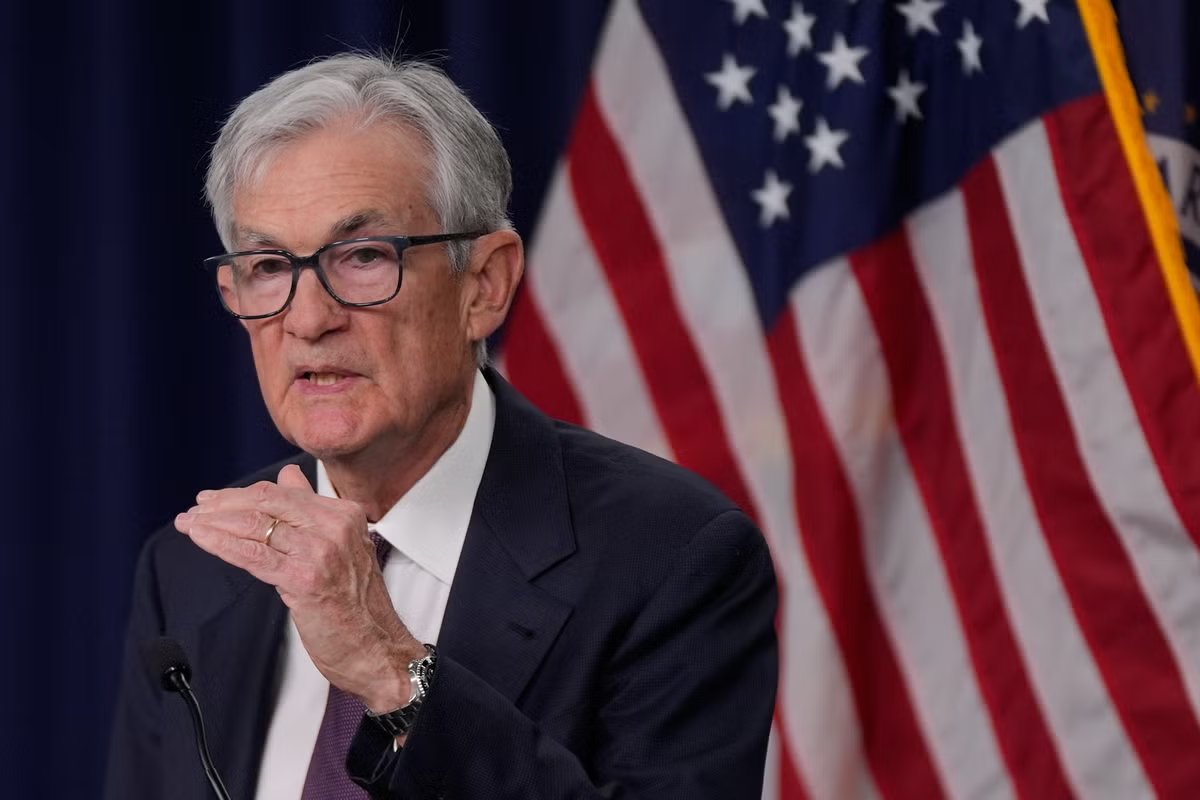
The U.S. Attorney for Washington D.C., under questioning by Judge John Bates, privately conceded that his office found no criminal wrongdoing in its investigation into Jerome Powell's $2.5 billion renovation project at the Federal Reserve headquarters earlier this month according to newly released court transcripts and a Scripps News report on March 24-25.
Key Points
-
1A federal prosecutor privately conceded that no criminal activity was found during an investigation into $2.5 billion in renovations at the Federal Reserve.
-
2The lack of evidence to criminally pursue Fed Chair Jerome Powell regarding these costly renovation projects has been confirmed by newly released court transcripts and hearings.
-
3Despite subpoenas issued over the matter, prosecutors determined there were no crimes committed during this specific investigation phase.
Developments
A federal prosecutor privately conceded during a closed March 3 hearing that there is no evidence proving Federal Reserve Chair Jerome Powell committed crimes regarding his testimony about a $2.5 billion renovation project, though he cited cost overruns as the reason for continued scrutiny eight days later when Chief Judge James Boasberg quashed government subpoenas citing "essentially zero" proof of misconduct or fraud against Mr.
A federal prosecutor testified in March 1.2 billion reasons for investigating Federal Reserve Chair Jerome Powell regarding alleged fraud or criminal misconduct during the central bank headquarters renovation, despite lacking specific evidence of crimes at that time and facing quashed subpoenas from Judge Boasberg earlier this month following President Trump's accusations against him over cost overrun concerns
A federal prosecutor conceded during a closed hearing on March 3 that no specific false statements by Federal Reserve Chair Jerome Powell regarding his testimony were known and admitted zero evidence of fraud or criminal misconduct existed in the $2.5 billion renovation project investigation eight days later, when Chief Judge James Boasberg quashed government subpoenas citing "essentially"