Middle East conflict triggers global oil surge above US$100
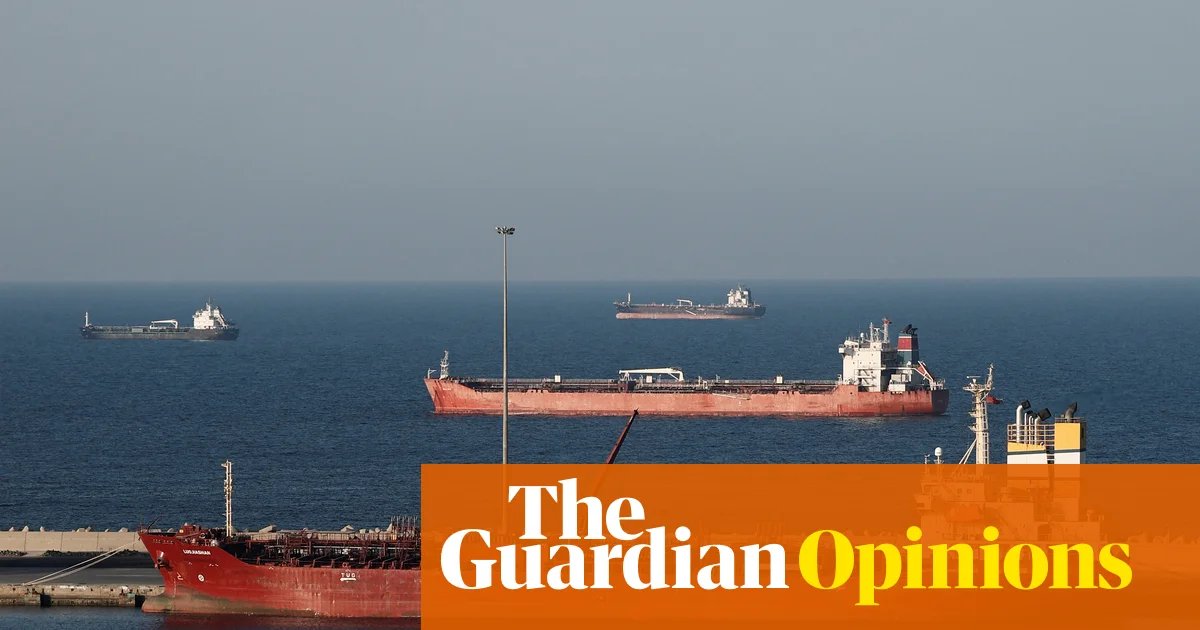
War-driven disruptions have pushed oil prices above the $100 mark for nearly four years as maritime traffic through critical chokepoints like the Strait of Hormuz remains effectively shut since late February; Brent crude recently shot past US$99 per barrel while China faces potential reliance on Russian suppliers due to its heavy dependence on Iranian exports.
Key Points
-
1War-driven disruptions between US/Israel and Iran have caused smoke to billow from a Thai bulk carrier in the Strait of Hormuz, effectively shutting maritime traffic since February 28.
-
2Oil prices surged above $100 per barrel for Brent crude on March 9 due to escalating conflict tensions with no immediate end in sight.
Developments
Escalating conflict in West Asia has caused global oil prices to surge above $100 per barrel due to severe disruptions of cargo movement through the Strait of Hormuz following strikes on Iran by US forces, Israel, and Iranian retaliations against Gulf infrastructure. India is bracing for an energy squeeze as these war-driven market disturbances threaten supply stability while increasing costs globally since February 28.
Oil prices surpassed US$100 per barrel on March 9 due to escalating tensions between Israel, Iran, and the United States in West Asia that have trapped tankers through key straits. While historical conflicts like those of 1973–84 caused significant price spikes and shortages similar to today's situation experts believe this crisis will ultimately accelerate a global shift away from oil rather than sustaining high prices long-term