Cuba plunged into darkness a third time this month
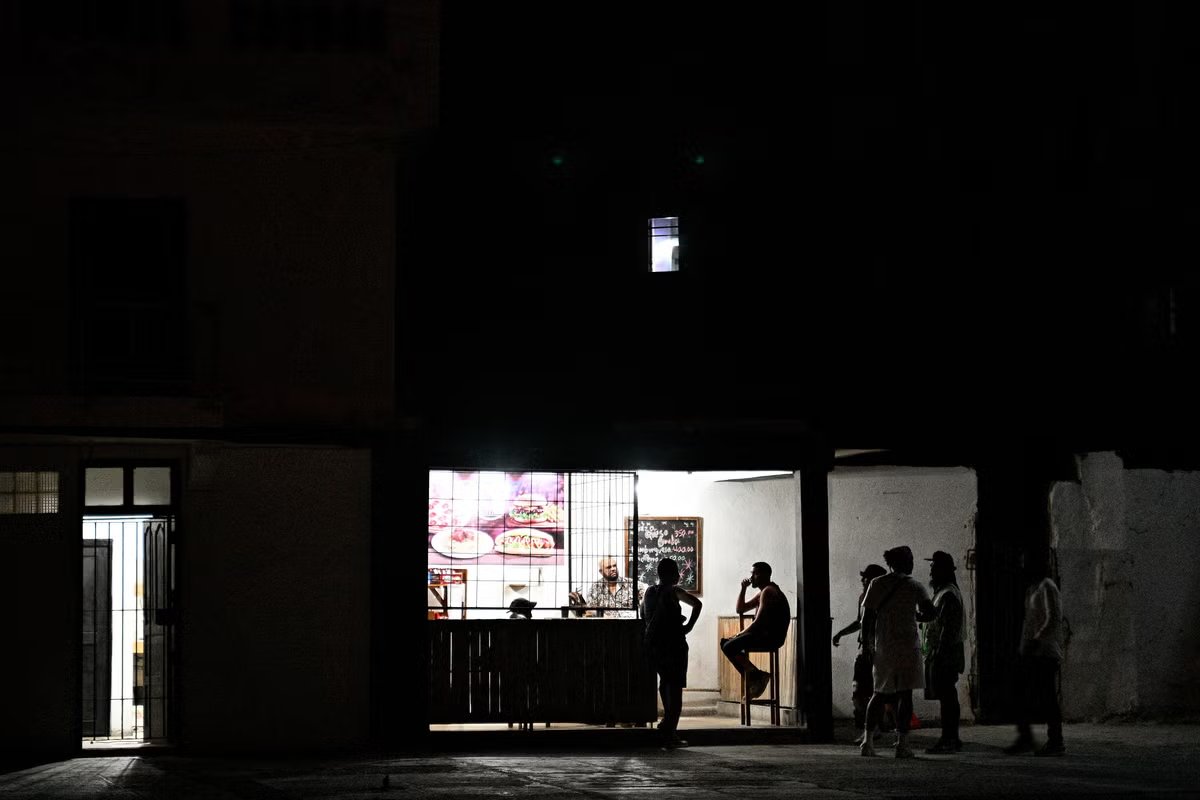
Millions of Cuban citizens are living in the dark once more after their national electricity system collapsed for what is now three times within just one week, with authorities describing it as an unbearable situation where people can no longer function normally due to lack of power and water heating systems failing entirely across Havana's neighborhoods while officials blame US oil sanctions from 2014 onward.
Key Points
-
1Cuba experienced its second nationwide blackout within less than one week due to an unexpected failure at Nuevitas thermoelectric plant in Camagüey province.
-
2The power grid has collapsed for a third time this month, leaving millions without electricity and forcing residents into darkness until Saturday evening.
Developments
Perspectives
Cuba's power grid has collapsed again due to an unexpected failure at a generating unit while battling decayed infrastructure.
— [Mar 21:03] Cuba in darkness again (Timesofindia.indiatimes.com)The blackout is the third time this month as authorities attribute it solely to equipment malfunction rather than external factors like oil blockades or government negligence, despite other reports citing these causes.
— [Mar 21:03] Cuba in darkness again (Timesofindia.indiatimes.com)Cuba is facing anguish and living conditions that are unsustainable as the power grid fails repeatedly within a short timeframe due to infrastructure decay combined with US-imposed oil blockades.
— [Mar 21:03] Cuba in darkness again (Timesofindia.indiatimes.com)'Can't live like this': Cubans face repeated nationwide blackouts as the government struggles against a decaying power grid and external economic pressures from US sanctions on oil imports.
— [Mar 21:03] Cuba in darkness again (Timesofindia.indiatimes.com)The Cuban Electric Union announced that millions were left without electricity due to an unexpected failure of the Nuevitas thermoelectric plant, marking a third collapse this month.
— [Mar 21:03] Cuba in darkness again (Timesofindia.indiatimes.com)