U.S., Iran Resume Missile Strikes After President Delays Ceasefire Deadline, Talks Stall Amid Escalating Tensions
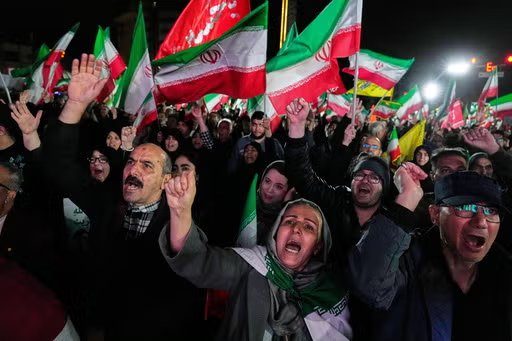
The United States and Israel have resumed missile strikes on Iran following President Donald Trump's decision to delay a previously set deadline for negotiations with Tehran as diplomatic efforts continue to fail in this high-stakes regional standoff (Cgtn). While both Washington and Beijing are sending renewed signals that possible talks remain viable, the conflict has persisted through nearly four weeks of sustained U.S.-Israeli operations against Iranian targets without any significant breakthrough or de-escalation from Iran's side.
Key Points
-
1The United States and Iran have resumed missile exchanges despite ongoing diplomatic signals from both sides.
-
2U.S. President Donald Trump is pushing for an immediate ceasefire, though Tehran has not accepted his demands or shown progress in negotiations.
-
3Military operations continue to escalate with increased strikes on Israel while conflicting statements suggest a lack of real diplomatic headway so far.
Developments
The U.S., Israel, and Gulf nations exchanged missile strikes against Iranian targets as President Donald Trump extended his deadline for Tehran's cooperation on reopening the Strait of Hormuz. Despite Iran rejecting ceasefire terms proposed by intermediaries in Pakistan while maintaining its own conditions regarding waterway sovereignty, no casualties were reported during Friday's escalating conflict amid rising global energy prices.
Nearly four weeks into U.S.-Israeli strikes on Iran, global oil prices have surged due to fuel shortages while conflicting statements indicate neither side is currently negotiating a formal deal. Despite ongoing missile and drone attacks causing civilian casualties in multiple countries including Israel's Tel Aviv and the UAE, both nations maintain maximalist positions with no agreement reached regarding nuclear limits or control of strategic waterways like the Strait of Hormuz.
Iran, which has closed or is effectively controlling the Strait of Hormuz to impose transit fees while firing missiles at Israel alongside U.S.-backed forces in Lebanon, issued its own ceasefire proposals despite President Trump claiming a deal was near. The conflict continues with rising casualties and displacement across Iran, Lebanon, Iraq (implied by "Gulf region"), UAE, and other regions as both nations present conflicting diplomatic plans regarding the war's end.
Iran has effectively closed or restricted access to the Strait of Hormuz by charging fees for safe passage while simultaneously firing missiles at Israel despite President Trump's claim that a ceasefire deal is near. The conflict continues with over 2,600 deaths in Iran and Lebanon alone as U.S. troops prepare deployment against Tehran amidst conflicting diplomatic proposals from both nations regarding sanctions relief and nuclear limits.