EU, UN Discuss Black Sea Model to Unblock Oil Route in Straits
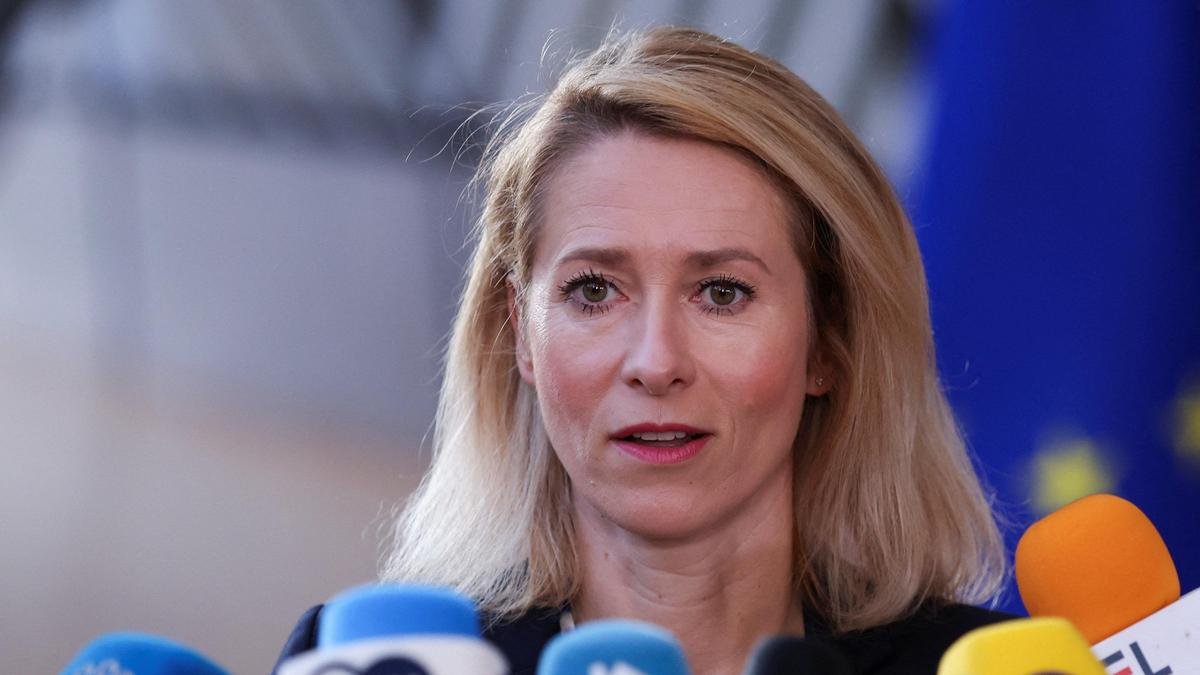
European Union foreign policy chief Kaja Kallas is leading discussions with the United Nations on adopting an arrangement similar to the recent "Black Grain Initiative" for Russia and Ukraine. The proposed plan aims specifically to reopen transport routes through the Strait of Hormuz, which currently serves as a critical waterway carrying approximately 20%—a fifth according to reports cited in context—to global oil supplies that have been effectively blocked by Iranian actions following regional conflict escalation.
Key Points
-
1The European Union is discussing plans to replicate its Black Sea Grain Initiative model for opening traffic in the strategically vital, Iran-blocked Strait of Hormuz.
-
2EU foreign policy chief Kaja Kallas has proposed redirecting existing naval assets currently protecting Red Sea shipments back into the Persian Gulf region.
Developments
Perspectives
The European Union is in discussion with the U.N. regarding an arrangement similar to the Black Sea Grain Initiative aimed at opening the Strait of Hormuz, which serves as waterway for one-fifth of global oil supply and has been effectively closed by Iran following a conflict.
— [Mar 16, 11:43] EU, UN discussing Black Sea type initiative for Strait of HormuzEU foreign policy chief Kaja Kallas is encouraging member states to redirect the bloc's current Red Sea naval mission in order to assist with restarting oil and gas shipments through the Strait of Hormuz.
— [Mar 16, 08:37] EU pushes to shift naval mission"If we want security for this region it would be easiest if you already use an operation that is currently being run in a different part."
— (Thehindubusinessline)EU Foreign Policy Chief Kaja Kallas is urging member states to repurpose the Red Sea naval mission Aspides or form a new coalition of nations to reopen the Strait of Hormuz. This proposal aims to alleviate soaring energy prices and potential economic disruptions caused by US-led attacks on Iran that have effectively blocked this critical shipping route, which handles about 20% of global oil traffic.