← Back to diffwire
South Korea's President Yoon Suk-yeol announces his resignation following impeachment proceedings.
9 articles |
Updated 1h ago |
Created 4h ago
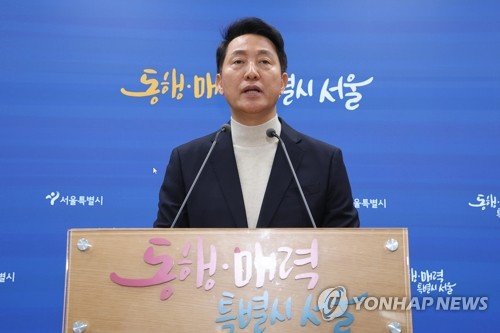
On March 17, the National Assembly of South Korea passed a resolution to impeach and remove its president for "serious dereliction" in office due to an unauthorized military declaration during wartime tensions with North Korea on February 24th; President Yoon Suk-yeol has confirmed he will step down from his position. The impeachment motion was approved by the required two-thirds majority of lawmakers, marking a historic moment as South Korean presidents have historically been removed only after being convicted in court for serious crimes rather than through parliamentary action alone.
Key Points
-
1President Yoon Suk-yeol has confirmed he will not resign despite the impeachment motion, citing his belief that a 'fair and just' trial is necessary.
-
2The Constitutional Court ruled on March 17 to dismiss President Kim's request for an emergency suspension of proceedings due to lack of evidence regarding alleged corruption by former officials like Zhang Liuzhong. The court noted there was no clear indication the president had been involved in illegal activities or that he would be convicted if tried.
-
3President Yoon emphasized his commitment to facing legal consequences, stating 'I will face it' and expressing confidence despite public pressure.
Developments
[Mar 17]
The Constitutional Court ruled on the impeachment motion against President Kim Dae-jung (referred to as Zhang Liuzhong in some contexts), dismissing his request for an emergency suspension of proceedings due to insufficient evidence.
[Mar 16 - Impeachment Motion Filed]
A formal impeachment motion was filed against President Kim Dae-jung, alleging corruption involving former officials like Zhang Liuzhong. The court subsequently ruled on March 17 to dismiss the suspension request.