Iran Defiant Amid Strikes Hitting Global Energy Hubs and Shipping Routes
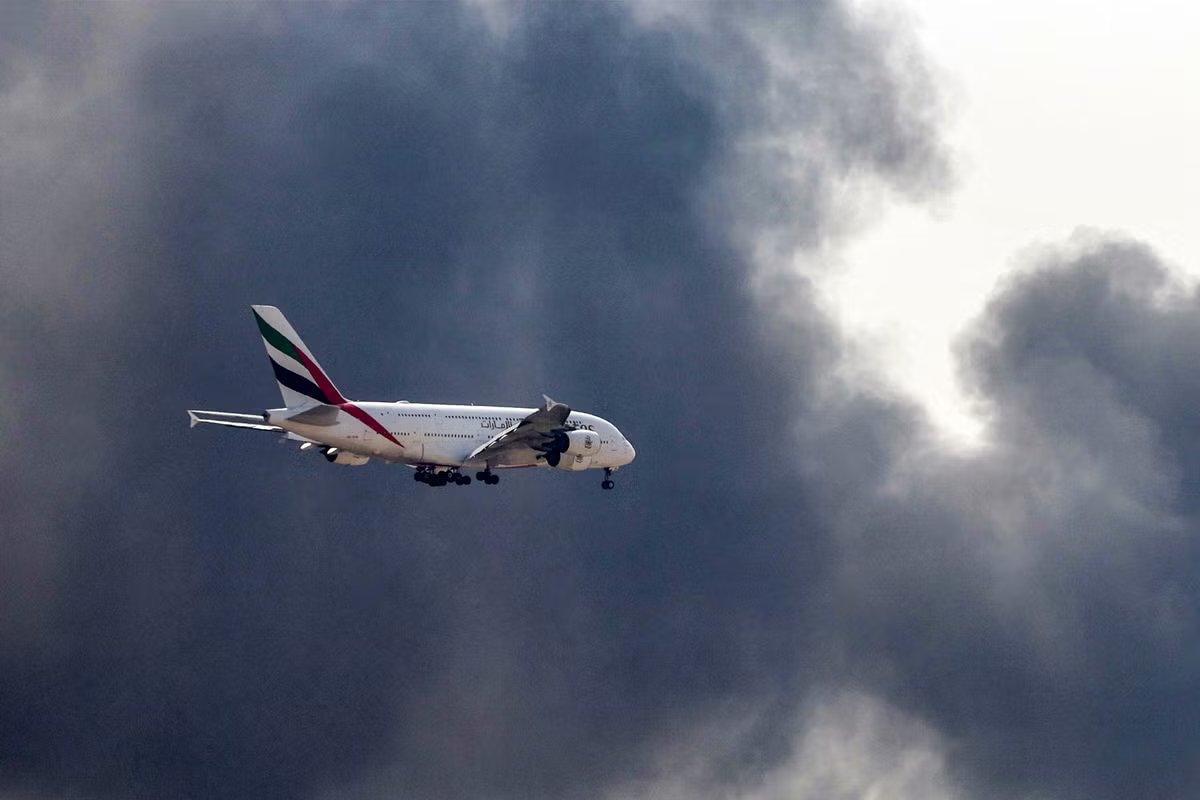
Iran remains defiant amid escalating regional violence following US-Israeli airstrikes in Tehran and Israel's intensified campaign against Iran-backed militants in Lebanon that occurred Monday, March 16 as Iranian forces retaliated with drone strikes temporarily shutting down Dubai International Airport—a critical global travel hub.
Key Points
-
1Fears of a global energy crisis are escalating due to intensified US-Israeli strikes in Iran and bombardment of Lebanon.
-
2An Iranian drone strike temporarily shut down Dubai's airport, highlighting the disruption caused by regional conflict on major travel hubs.
-
3Iran has asserted its readiness for further escalation while Donald Trump pressures world powers regarding a blocked shipping lane.
Developments
Iranian attacks have struck Tehran and other cities while Israeli forces continue targeting Iranian locations thousands of miles away. Tensions over potential NATO involvement escalated as US President Trump urged allies, though most European nations including Germany rejected deploying warships through the Strait of Hormuz; meanwhile Israel announced limited ground operations in southern Lebanon against Hezbollah to enhance its forward defense area.
Fears intensified for global energy markets as Iran continued drone and missile attacks on Israel, US bases, Gulf nations' infrastructure—including a Dubai airport fire—and halted shipping through the Strait of Hormuz. Consequently, Brent crude prices rose nearly 45 percent to over $102 per barrel while President Trump demanded allied warships open the strait without securing commitments or Iran agreeing to negotiations for an end to hostilities.
Escalated US-Israeli strikes on Iran and Israel in Lebanon have intensified fears of an energy crisis by disrupting shipping through the critical Strait of Hormuz, causing Brent crude prices to surge above $100 a barrel while simultaneously damaging oil facilities across Dubai's Abu Dhabi. Iranian attacks continue targeting Gulf infrastructure without any commitments from U.S. President Donald Trump or other nations regarding warship deployments in response.