Pregnant ER patients cut 10% on Tylenol after Trump links it to autism (NBC News)
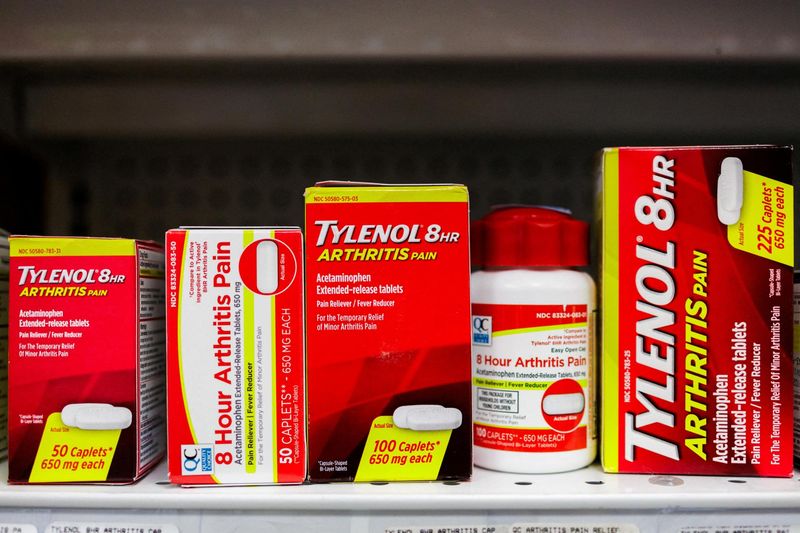
A new study published in The Lancet reveals that acetaminophen orders dropped by nearly ten percent among pregnant women visiting emergency departments following President Donald Trump's September warning against the drug. During a press conference, Mr. Trump urged expectant mothers not to take Tylenol based on his unproven claims connecting it to autism and promoted an alternative generic treatment instead. The data indicates that this direct presidential messaging significantly altered prescribing patterns within U.S. emergency rooms over three months after he issued these directives in September 2019, despite the lack of scientific evidence supporting such a link at the time.
Key Points
-
1President Trump's September announcement linking unproven ties between acetaminophen (Tylenol) and autism led to measurable changes in prescribing behavior.
-
2Analysis of U.S. emergency room data published by The Lancet shows a decline in Tylenol orders among pregnant women following the warning, with some studies citing approximately 10% decrease over three months.
-
3The FDA issued guidance recommending against using acetaminophen during pregnancy based on Trump's claims that it increased autism risk without established scientific proof.
Developments
A new study from Taiwan published today suggests that prenatal acetaminophen (Tylenol) exposure may increase children's risk of neurological disorders like autism and ADHD despite conflicting evidence in other large-scale studies. While the FDA has stated no causal link is established, researchers note this controversy remains unresolved due to mixed findings across different research designs involving small versus larger sibling-based cohorts.
An analysis of U.S. hospital data shows a 10% drop and up to 20% weekly decline in Tylenol prescriptions for pregnant women following President Trump's September claim linking acetaminophen use with autism; however, prescribing levels began recovering after several weeks as trusted organizations refuted the assertions while Kenvue maintained that pain relief remains safe during pregnancy.
Following President Trump's September 2017 announcement warning pregnant women against taking acetaminophen (Tylenol) due to a potential autism link, prescription orders for the drug among patients visiting emergency departments declined by approximately 10%. This sharp decrease occurred despite robust scientific evidence failing to substantiate any connection between Tylin use in pregnancy and neurodevelopmental disorders.
An analysis of U.S. emergency room data published by *The Lancet* found that prescriptions for acetaminophen (Tylenol) to pregnant patients fell 10% after President Donald Trump linked the drug to autism in September, with a peak weekly decline occurring three weeks later before partially recovering as trusted organizations refuted his claims while simultaneously promoting leucovorin.
An analysis published by the Lancet found a 10% drop in Tylenol prescriptions for pregnant women following President Trump's September announcement linking acetaminophen to autism. The decline peaked three weeks after his statement but began waning as trusted organizations refuted those claims, with researchers noting that thousands of patients likely avoided seeking treatment due to fear despite health officials citing no proven link between the drug and neurodevelopmental disorders.