Iran drafts law to impose fees on vessels transiting Strait of Hormuz amid regional crisis
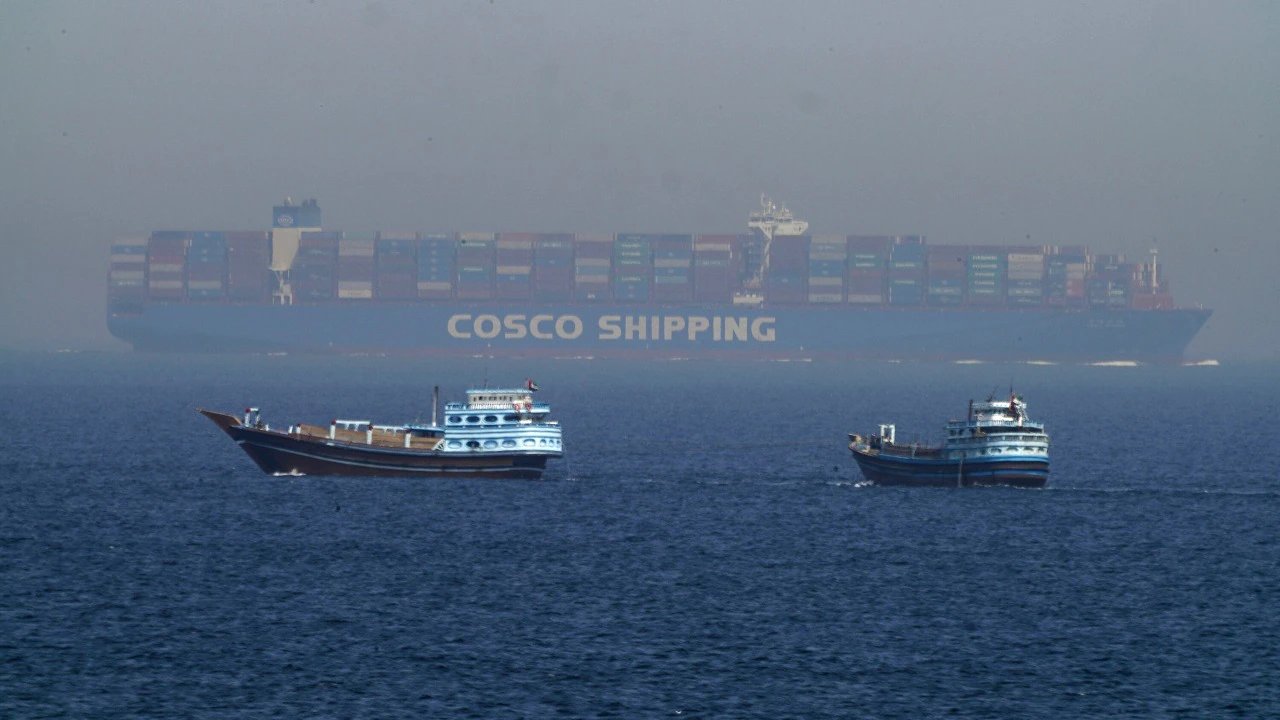
The Iranian government plans finalise legislation next week that will legally recognise Tehran oversight and introduce a fee system for ships passing through the strait. This move aims to ensure safe passage while capitalising on rising tensions in Middle East war which has pushed global oil markets into deeper crisis as Iran tightens its grip over this critical chokepoint, potentially turning it into one of the world's most expensive toll booths according to recent reports from March 25-26 regarding potential revenue generation.
Key Points
-
1Iran plans legislation and has reportedly begun charging fees from vessels seeking safe passage through the Strait of Hormuz.
-
2The toll system is intended to monetize Iran's control over a waterway that carries approximately 20% of global crude supplies, with some ships facing millions in transit costs.
-
3A Gulf Cooperation Council official accused Tehran of imposing these charges as oil prices have risen above $100 per barrel due to the ongoing conflict.
Developments
Perspectives
Iran has blocked vessels carrying approximately one-fifth (or twenty percent) of global crude and liquefied natural gas supplies from passing freely.
— [Mar 26, 15:56] Tehran's'tollbooth': How Iran picks who to let through Strait of Hormuz (Al Jazeera English)The United States is currently scrambling under President Donald Trump for security in the region as a result of its war with Iranian forces.
— [Mar 26, 15:48] Is it time? The US and Israel are at odds over Iran's control (Foreign Policy)Iran has pushed global oil prices above $100 per barrel due to the blockade on energy supplies in this region of Middle East.
— [Mar 26, 15:48] Is it time? The US and Israel are at odds over Iran's control (Foreign Policy)Iran is drafting legislation that would impose fees or tolls for safe passage through the Strait to monetize its strategic position as a choke point.
— [Mar 26, 15:48] Is it time? The US and Israel are at odds over Iran's control (Foreign Policy)The Gulf Cooperation Council has accused Tehran of charging fees for ships seeking safe passage through the Strait during this conflict in Middle East.
— [Mar 26, 15:48] Is it time? The US and Israel are at odds over Iran's control (Foreign Policy)Iran is forcing oil tankers to pass through its Revolutionary Guard-controlled waters via Qeshm and Larak islands instead of down the center of the Strait of Hormuz. Since U.S.-Israel strikes on February 28 began this number has plummeted from around 10 ships per day, with at least two vessels taking a new route that is less than twenty miles away Iran's main naval base since March thirteen
Iran is reportedly drafting legislation to impose tolls on ships passing through the Strait of Hormuz, aiming to control this route which carries 20% of global oil supply. Despite President Trump's claim that Iran allowed ten tankers past as a "present," rising tensions and mixed peace talk messaging have pushed Brent crude prices above $108 per barrel while stocks fell on market uncertainty regarding the conflict in Middle East energy infrastructure,
U.S. President Donald Trump is scrambling to secure the Strait of Hormuz after Iran's Islamic Revolutionary Guard Corps effectively took control through a "toll booth" strategy that has halted normal tanker transits in March, causing oil prices and global supply chains to suffer significantly more than previous disruptions like those by Houthi rebels did not previously.
Iran claims it is blocking 20% of global oil and gas supplies with nearly 2,000 vessels stranded in response to US-Israel tensions. Tehran's parliament has drafted legislation requiring ships passing through the Strait of Hormuz to pay tolls for security services already enforced by its Revolutionary Guard Corps (IRGC).