Europe-Japan Pledge Efforts to Reopen Strained Straits Of Hormuz
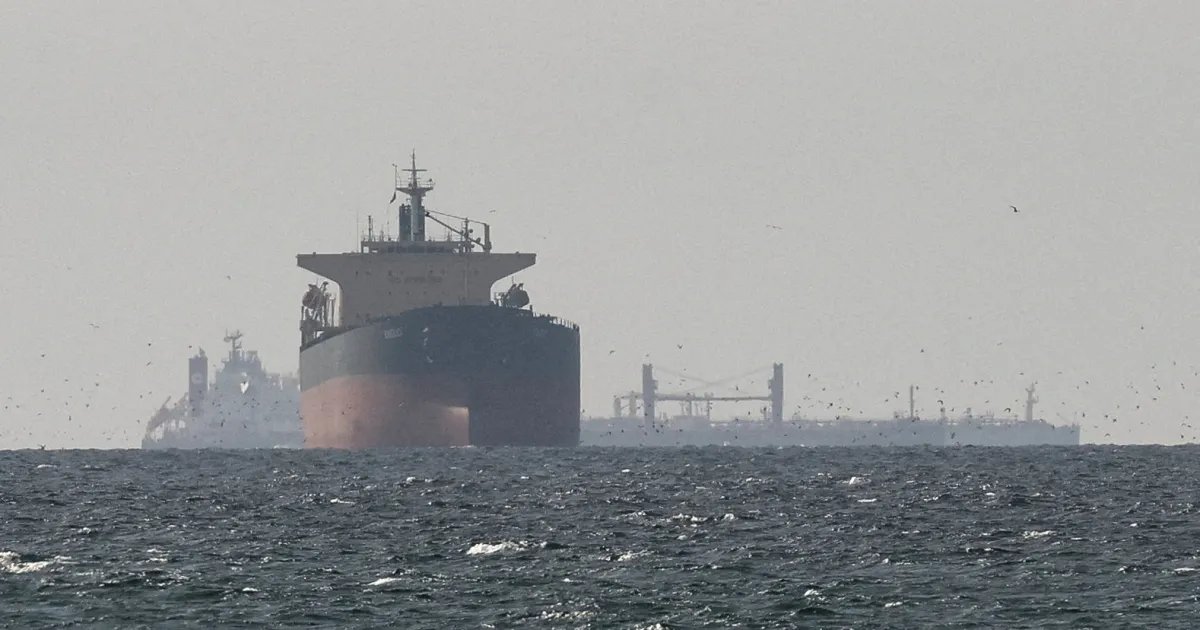
European leaders from the UK, France, Germany, Italy, and Netherlands alongside Japanese officials issued a joint statement pledging their readiness to contribute efforts aimed at reopening the Strait of Hormuz following President Donald Trump's escalating rhetoric on March 19. This diplomatic move comes as US pressure intensifies amid record-high global oil prices driven by ongoing attacks on Middle East energy infrastructure that threaten regional stability and market security for nations seeking ways to contain rising costs in an already deepening crisis.
Key Points
-
1European leaders from the UK, France, Germany, Italy, and Netherlands have joined with Japanese officials in a joint statement pledging readiness to help reopen or secure the Strait of Hormuz.
-
2The international coalition emphasized their willingness to contribute without making specific reference to easing tensions between Israel and Iran as a precondition for involvement.
Developments
Perspectives
European leaders and Japan say they are ready to help unblock the Strait of Hormuz following a week of hectoring by US President Donald Trump.
— [Mar 19, 18:40] European leaders, Japan offer to help Trump unblock Strait of Hormuz (Smh.com.au)The United Kingdom, France, Germany, Italy, the Netherlands and Japan have issued a joint statement pledging 'readiness' in their efforts.
— [Mar 19, 03:47] Europe Japan Canada Pledge Efforts Reopen Hormuz (Middleeasteye)European nations are ready to contribute ensuring safe navigation without making any specific reference to easing tensions or a ceasefire as preconditions for involvement.
— (Eunews.it)On March 19, 2026, six nations—the UK, France, Germany, Italy, the Netherlands, and Japan—issued a joint statement pledging readiness to contribute efforts that keep the Strait of Hormuz open amid escalating tensions. The countries condemned recent Iranian attacks on commercial vessels and civilian infrastructure while expressing concern over supply disruptions despite noting absences from other allies like Canada or urging diplomacy first instead