Jubail and Ras Tanura: The oil-rich islands of the Persian Gulf threatened by missiles in Eastern Arabia
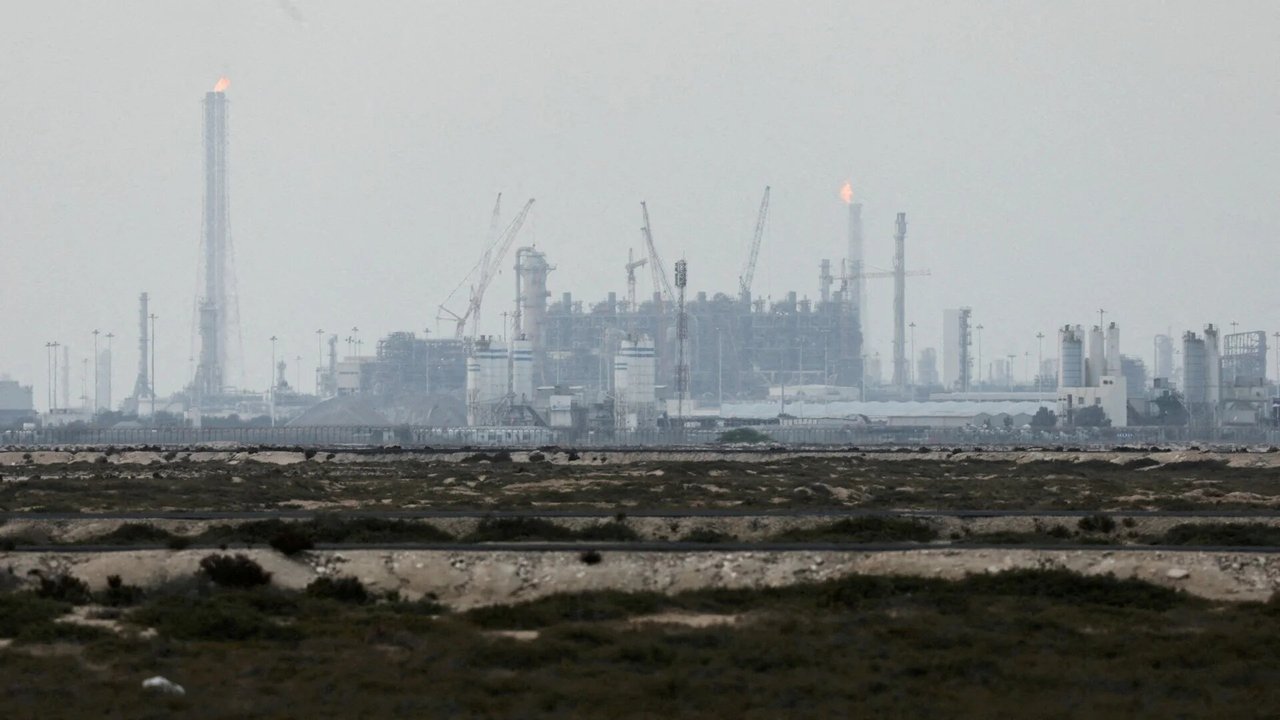
Iran launched multiple strikes against Qatar's critical gas hub, causing extensive damage to its infrastructure and threatening global LNG supplies as part of an escalating conflict involving Israel and the United States that began earlier this month. The attack on Ras Laffan is particularly significant because it targets one of the world's largest liquefied natural gas facilities in a region where energy security remains fragile amid ongoing warfare across the Gulf, with fears now mounting regarding potential supply disruptions for major importers like India.
Key Points
-
1Iran has launched multiple strikes targeting Qatar's main gas hub, causing extensive damage to facilities at locations including South Pars and Ras Laffan.
-
2The conflict between Iran and the US-Israel alliance is escalating into a broader Middle East war with significant implications for global energy markets.
-
3Damage to Qatarâs key LNG infrastructure has triggered widespread fears regarding future liquefied natural gas supply chains worldwide, particularly affecting India.
Developments
Iran's strikes on Qatar's Ras Laffan LNG hub have destroyed 17% of its capacity for up to five years due to extensive damage that may take three to six months. This disruption threatens global energy supplies, causing Brent crude prices to spike over $20 billion in annual revenue losses and forcing potential contract cancellations with major nations like China, Italy, Korea, Belgium