US Court Rejects Dismissal of Drug Trafficking Charges Against Venezuela's Nicolas Maduro
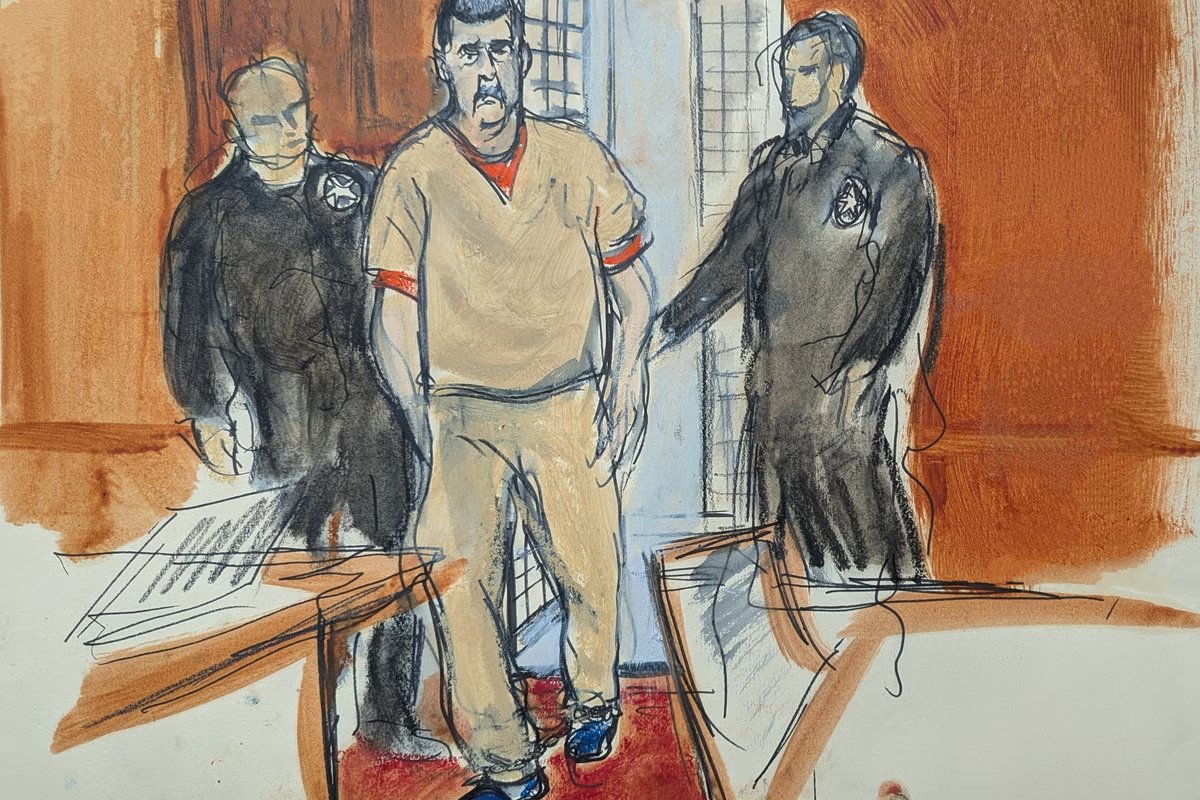
A federal judge on Wednesday refused to dismiss the drug trafficking case against former Venezuelan President Nicolás Maduro and his wife, despite their lawyer arguing that U.S. authorities are blocking funds necessary for defense costs in New York court proceedings where they were brought back after capture months ago; while legal teams continue lobbying officials regarding financial constraints preventing adequate representation of both individuals during this ongoing trial phase involving serious criminal allegations against the former leader who previously served as head of state under a...
Key Points
-
1A U.S. federal judge in New York questioned Thursday's ruling on Venezuela President Nicolás Maduro, specifically regarding his ability to use frozen Venezuelan funds for legal defense.
-
2Maduro and Cilia Flores appeared before the court seeking dismissal of drug trafficking charges based on a geopolitical dispute over funding their case.
-
3The hearing focused heavily on whether U.S. sanctions prohibiting foreign fund usage violate constitutional rights or national security interests.
Developments
A judge questioned whether blocking Venezuelan funds for Nicolas Maduro's legal defense violates his constitutional right to counsel without dismissing drug-trafficking charges against him and Cilia Flores in New York court, while prosecutors defended the national security justification of U.S. sanctions despite offering public defenders as an alternative since they cannot afford private representation alone.
Ousted Venezuelan President Nicolás Maduro appeared in New York court on Thursday as his drug trafficking case proceeds with frozen funds potentially available from Venezuela, though the judge noted thawing relations between Washington and Caracas recently. Both he and Cilia Flores are detained at a Brooklyn facility facing life imprisonment after being captured by U.S. special forces during an operation that killed dozens of security personnel in January 2019.