PM bans high-octane petrol for govt cars after levy hike
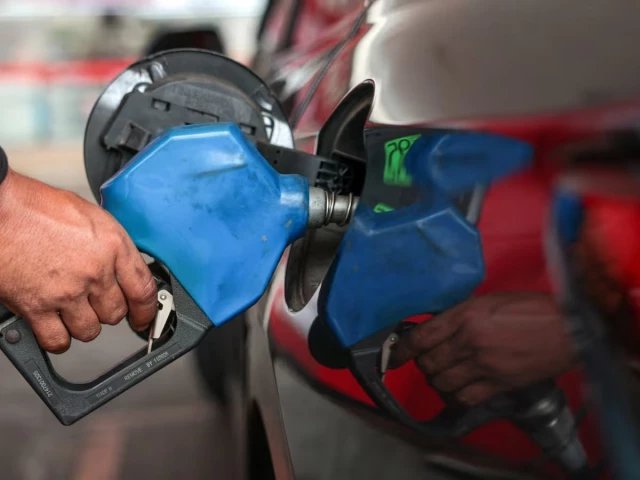
Prime Minister Shehbaz Sharif has immediately banned the use of 10 octanum fuel in all government vehicles following a recent increase on its excise duty and surcharge, which raised the total cost from approximately Rs63 to nearly three times that amount per litre (Rs294.78 net).
Key Points
-
1Prime Minister Shehbaz Sharif has imposed an immediate ban on the use of high-octane fuel in all government vehicles.
-
2The decision follows a significant increase (or series of increases) to petroleum levies ranging from Rs200 per litre up to Rs350 depending on reporting time and source, bringing total costs closer to or at Rs300-317/litre based on specific articles citing the final rate.
-
3The government aims to reduce unnecessary expenditures by redirecting savings toward public relief packages for vulnerable segments.
Developments
Prime Minister Shehbaz Sharif has imposed a ban on using high-octane fuel for government vehicles, requiring officials who must use it personally cover all costs. This measure is part of broader austerity efforts aimed at reducing expenditures by 50 percent and saving funds to provide public relief during current economic conditions.
Prime Minister Shehbaz Sharif has banned federal departments from using government funds to purchase or operate with 95 octanum petrol, requiring officials in exceptional cases to pay for it personally. This measure follows a petroleum levy increase of Rs10 per litre and aims to curb state expenditures while redirecting savings toward public relief efforts alongside existing fleet reductions.
Prime Minister Shehbaz Sharif has imposed a complete ban on high-octane fuel for all Pakistani vehicles, including those used by officials and luxury cars. This measure follows an increase in levies from Rs200 to Rs300 per litre intended to save the government approximately nine billion rupees monthly amid global oil price spikes caused by tensions between Iran and Israel; however, ordinary vehicle fuels remain unchanged so that public transport costs do not rise for lower-income citizens.