Parents increasingly refusing routine newborn care beyond vaccines
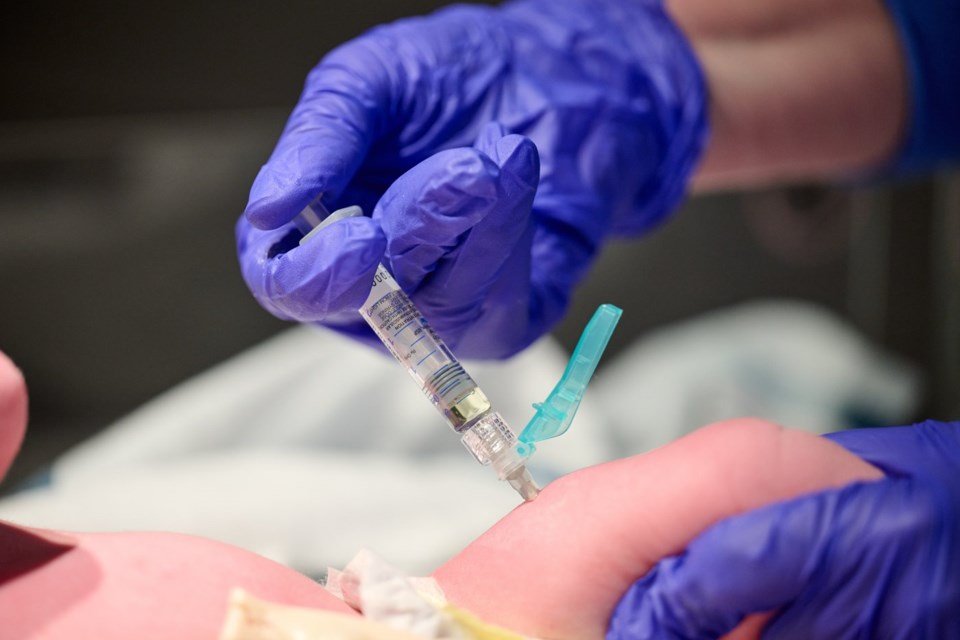
A recent hospital observation by Dr. Tom Patterson revealed that on one day, half the infants he treated did not receive routine Vitamin K injections to prevent deadly bleeding due to parental refusal; another day saw more than a quarter of newborns denied this essential care for similar reasons across Idaho and beyond. This pattern extends well past vaccine hesitancy as medical professionals report increasing skepticism fueled by anti-science sentiment is now targeting other safe, standard preventive procedures provided decades ago without controversy or risk.
Key Points
-
1Parents are increasingly refusing routine preventive care provided at birth.
-
2A study highlights a significant rise in parents declining standard newborn preventative measures, not limited solely to vaccines.
-
3At an Idaho hospital where Dr. Tom Patterson worked one day half of the babies did not receive vitamin K shots for decades-old bleeding prevention protocols.
Developments
Refusals of routine newborn care, including vitamin K shots and eye ointment in Idaho hospitals have risen sharply due to rising medical mistrust. A recent study found that Vitamin K shot refusals nearly doubled from 2017 to 2024 across the nation as parents increasingly reject proven preventive measures influenced by conflicting information and political pressure against established science.
A recent study analyzing over 5 million births found that refusals of routine newborn vitamin K shots nearly doubled between 2017 and 2024, rising from 2.9% to 5.2%. This trend correlates with broader declines in other preventive care measures like hepatitis B vaccination due to increased parental skepticism fueled by conflicting information and political influence on medical science.
Doctors across America are alarmed as rising anti-science sentiment causes parents to increasingly refuse routine newborn care, including Vitamin K shots that have been administered for decades since 1961. A study analyzing over five million births found refusals of these injections nearly doubled between 2017 and 2024 from a rate of just under three percent to more than half the national average at birth (5%).