← Back to diffwire
Scientists repurpose discarded PET plastics into Parkinson's treatment drug via bacterial conversion.
14 articles |
Updated 2h ago |
Created 1d ago
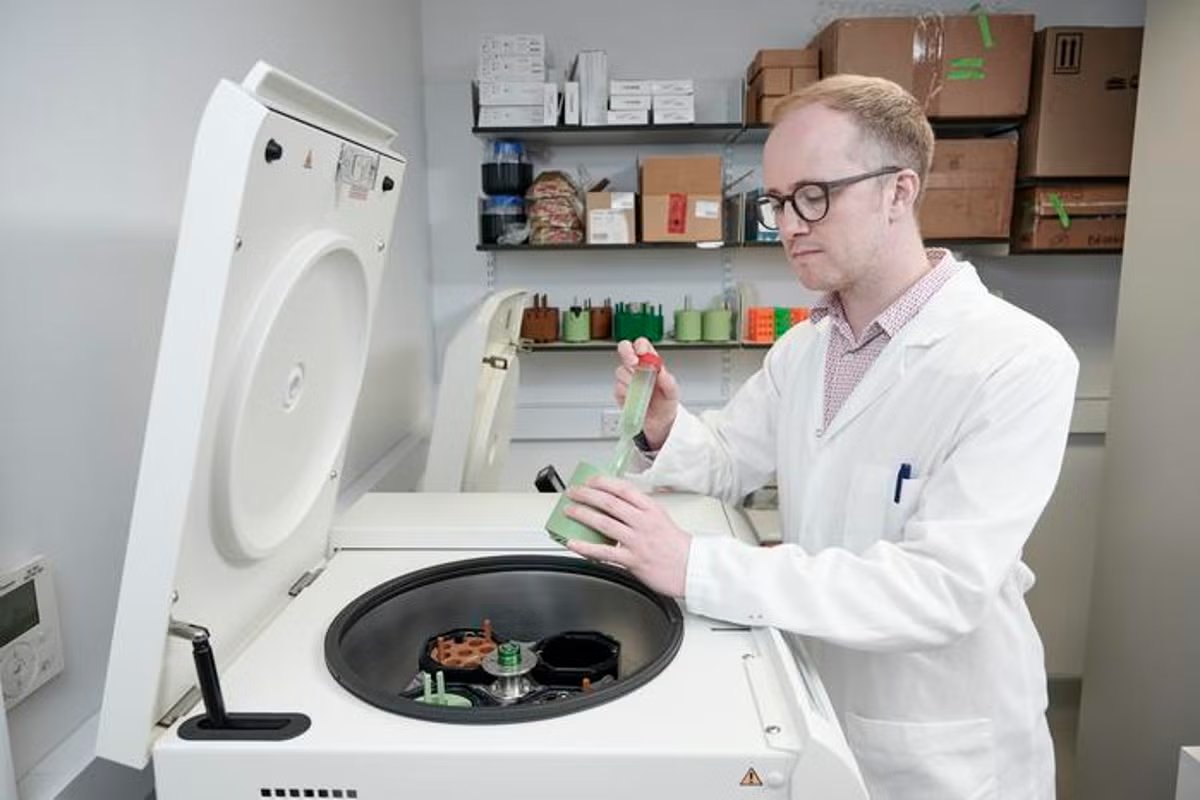
Researchers from Scotland have discovered that used plastic bottles can be converted directly into L-DOPA medication for treating over 165,000 UK patients with Parkinson’s disease using a novel method involving bacteria to break down waste materials and extract the active compound required by human cells; this breakthrough demonstrates how discarded plastics could serve as valuable resources rather than environmental hazards.
Key Points
-
1Researchers from Scotland have discovered how used plastic bottles can be transformed into L-DOPA for Parkinson's disease treatment.
-
2The method utilizes specific types of genetically modified bacteria that break down the polyethylene in PET plastics to produce levulinic acid, a precursor drug ingredient.
-
3"This is not just about recycling waste; it shows we have been reimagining materials as valuable resources" - according to lead researcher Dr. James Keating.
-
4The study was published on Nature and highlights the potential for converting industrial plastic byproducts into life-saving medication.
Developments
[Mar] Mar
Study results regarding L-DOPA production from PET plastics were accepted/published in 'Nature' (exact date not specified, implied recent).
2019-03-16 14:27 UTC
'How plastic bottles have been transformed into a life-changing drug', Independent.co.uk reported the findings.
PET-urile au fost transformate într-un medicament pentru boala Parkinson. Ce rol au bacteriile
Rss.stirileprotv.ro
1d ago