US extends Iran deadline to April 6 amid market turmoil and rising tensions with Tehran.
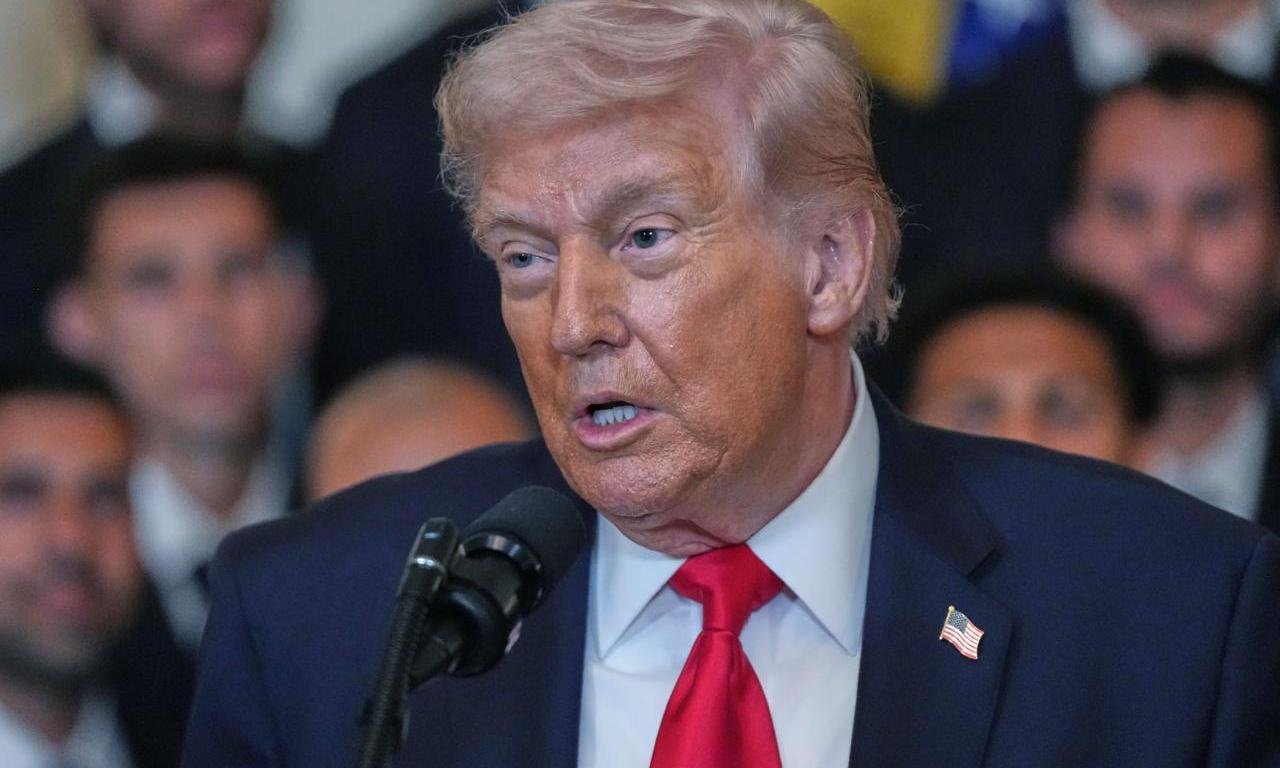
President Donald Trump extended the U.S.-imposed ultimatum for Iranian authorities to open up the Strait of Hormuz from March until a new date set in early morning on Thursday, as global markets reacted violently following reports that Israel had launched an airstrike against Iran's nuclear facilities near Isfahan and Tehran.
Key Points
-
1U.S. President Donald Trump has extended Iran's deadline to reopen or face strikes from April 6.
-
2Trump stated that talks between his administration, Israel, and other parties are 'going very well'.
-
3The extension of the threat comes amid significant market losses following recent conflict events.
Perspectives
US President Donald Trump extended his deadline for Iran to reopen the Strait of Hormuz until April 6 or face potential destruction, citing that talks with Tehran are 'going very well' despite no visible progress toward a truce.
— [Mar 27, 15:49] Businesstimes.com.sgTrump announced an extension to his deadline for Iran's energy plants and rejected the idea of following through on threats after markets rumbled due to war-related losses; he moved back from earlier warnings.
— [Mar 27, 08:42] Arynews"They now have the chance... that is Iran, to permanently abandon their nuclear ambitions and join a new path forward," Trump said during Cabinet meetings while urging Tehran for an immediate deal on ending US-Israeli bombing.
— [Mar 27, 05:19] Tribune.com.pk"The Israeli military has completed wide-scale strikes targeting government infrastructure in Iran early Friday" and the deadline extension marks a pullback from Trump's earlier warnings without signs of progress toward peace deals with Tehran or Israel.
— [Mar 27, 04:14] Publish.tribuneindia.com"The war has killed more than 1,900 people in Iran and nearly 1,100 in Lebanon," as Trump delayed the deadline amid rising tensions while Wall Street saw its biggest loss of a conflict.
— [Mar 26, 22:06] DeccanchronicleOn March 28th, President Trump postponed his plan to attack Iran's energy infrastructure for ten days while demanding a ceasefire that includes abandoning nuclear negotiations he claims have already been resolved. In response, Tehran rejected talks as self-dealing and threatened economic pressure on the US by targeting oil tankers in international waters and potentially disrupting submarine internet cables if Gulf nations continue supporting Washington against its interests.
President Trump extended a 10-day ultimatum for Iran to reopen the Strait of Hormuz following Tehran's rejection of his proposals amid ongoing missile exchanges between Israel and Iranian proxies. While US intelligence reports confirm approximately one-third of Iran's long-range strike capabilities have been destroyed, there are no concrete signs that Teheran is ready to negotiate or compromise its blockade on global energy shipments.