US insists it can reopen Hormuz alone despite 30-warship requirement; Britain warns
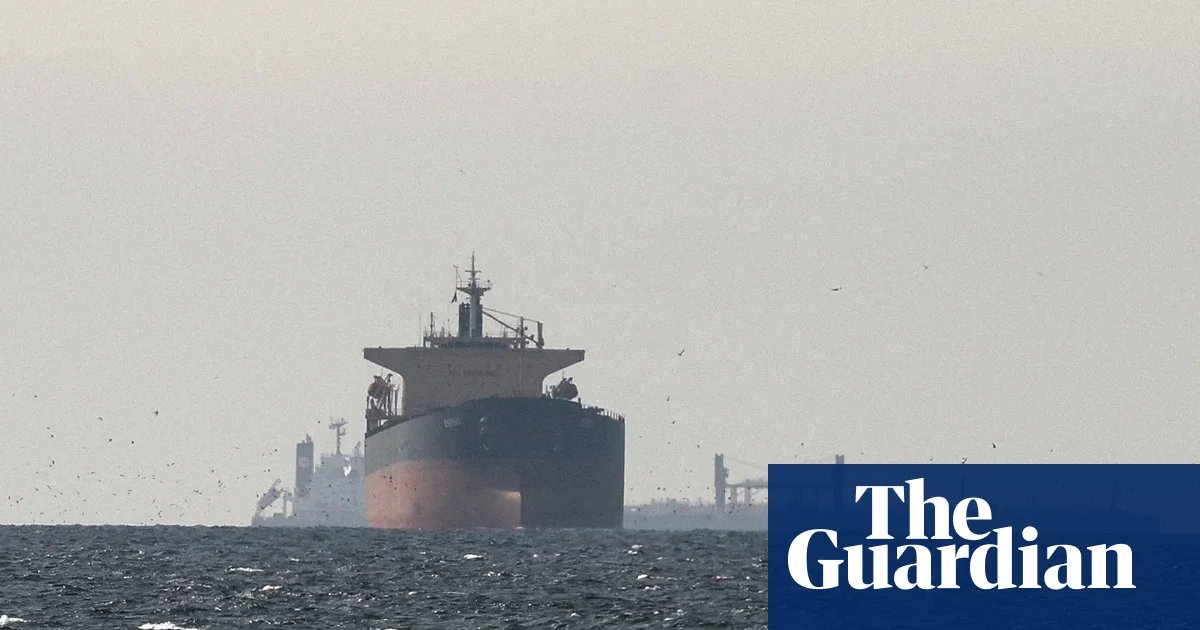
President Donald Trump now asserts the United States could independently re-open the Strait of Hormuz, a claim that experts warn would dangerously concentrate risks on American forces and strain limited naval resources. While US allies like Australia have been rebuffed in requests for support to secure international shipping lanes through this critical energy corridor where 20 percent of global oil passes, UK defence sources indicate at least thirty warships are required just to escort tankers safely against Iranian air, sea, underwater drone threats and missiles.
Key Points
-
1The Strait of Hormuz has remained closed since early March 2026 due to intensified conflict between Iran, the US, their allies.
-
2Experts estimate that at least 30 warships are required for international shipping forces and limited naval resources alone cannot reopen it safely.
-
3Despite initial rejections from allied nations like Australia seeking support in securing commercial vessels through waterways
-
4The UK remains engaged with European partners to discuss escorting merchant ships, though the situation is currently deemed too dangerous due to Iranian threats.
-
5Reopening this critical energy corridor would require significant military resources and poses risks for US forces if attempted unilaterally.
Developments
Perspectives
The Strait of Hormuz has remained effectively closed since early March 2026 due to intensified conflict between Iran, the United States, their allies.
— [Mar 20, 06:55] Strait Of Hormuz Remains Closed Amid Global Military And Diplomatic MovesIranian forces have blocked shipping through a key global energy corridor where twenty percent of world oil supplies normally pass. Experts suggest five ways to resolve the deadlock and allow commodities movement.
— [Mar 19, 17:12] How can Hormuz shipping blockage be solved?President Donald Trump now insists that only United States forces are capable of reopening the Strait alone after being rebuffed by allies. However, this approach would focus excessive risk on US troops and strain limited naval resources.
— [Mar 19, 11:15] Can British drones help secure the strait of Hormuz for international shipping?Britain remains involved in discussions with American forces regarding escorting merchant ships through the waterway. The situation is currently too dangerous to act upon because Iran still poses a significant threat.
— [Mar 18, 18:52] UK says it remains in talks over escorting ships through strait of HormuzAt least thirty warships are required by sources from the United Kingdom's defence ministry alone to re-open commercial oil tanker traffic. These vessels would be necessary for escorts while countering Iranian air, sea and underwater drones as well as missiles.
— [Mar 18, 15:48] 30 warships needed to open Strait of Hormuz amid Iran blockadeSince early March 2026, the Strait of Hormuz has remained effectively closed due to intensified conflict between Iran, the United States, and their allies, causing oil prices to surge. While U.S.-led military operations have reportedly destroyed over 120 Iranian naval vessels, commercial shipping is only permitted through a newly established "safe corridor" after vetting or paying fees set by Tehran's Islamic Revolutionary Guard Corps.
US President Donald Trump insists that American forces alone could reopen the Strait of Hormuz despite facing limited naval resources and a lack of allied support due to Prime Minister Keir Starmer's refusal for UK involvement in wider conflict risks, while Iran maintains advanced capabilities including thousands of sea mines (some covertly deployed), anti-access fast attack craft, shore-based missiles like Noor/C802s, one-way drones such as the Shahed-136.
UK defence sources state that at least 30 warships are required to escort commercial tankers through the Strait of Hormuz and counter Iranian drone, missile threats. President Trump's proposed multi-national maritime force has effectively collapsed after major allies declined participation due to high risks and fluid threat levels in a region Iran controls since launching its blockade two weeks ago following US-Israeli military action.