Archaeologists claim discovery of Athos Alexandre's skeleton in Dutch church.
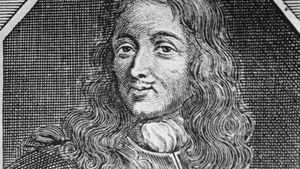
A local media outlet reported on March 25 that an archaeologist believes they have found the remains of D'Artagnan, a soldier who inspired The Three Musketeers and was buried at Saint-Michel Abbey near Aurignac-sur-Arroux since his death around 1670. While authorities in Maastricht initially stated there were no plans to exhume or move any graves from the church where these remains are located, a French archaeologist has expressed hope that this skeleton belongs to D'Artagnan based on historical records and physical evidence found at Saint-Michel Abbey near Aurignac-sur-Arroux.
Key Points
-
1A skeleton possibly belonging to Athos, the French soldier who inspired Alexandre Dumas's novel The Three Musketeers
-
2has been discovered in an old church located near where he died centuries ago.
-
3Local media reports indicate that this discovery was made by archaeologists or researchers investigating historical sites.
Developments
Perspectives
A skeleton which could belong to Athos, the French soldier who inspired The Three Musketeers novel has been discovered in church where he died centuries ago.
— [Mar 25, 14:33] Skeleton of famed musketeer possibly found in Dutch church (Cbsnews)"De grandes attentes": un archeologue pense avoir deͩcouvert le squelette D'Artagnan aux Pays-Bas
— [Mar 25, 14:39] 'De grandes attentes': un archeologues pense avoir d'çecouvertle squeleteD Artgan anauxPaysBas (Bfmtv)"Un squelette qui pourrait être celui de D'Artagnan, decouvert dans une eglise Maastricht aux Pays-Bas"
— [Mar 25, 13:49] Le squeletedeD Artgan a peut-etre ete retrouvedansuneegiseauxPaysBasreveleunmedia localce mercredi (Huffingtonpost.fr)"Un esquelette decouvert dans une eglise aux Pays-Bas il est susceptible d'etrecelui de DArtagnan"
— [Mar 25,13:49] Un squeletedecouvertdansuneegiseauxPaysBasil esusceptible detre celuideD Artgan (Francebleu.fr)"Decouverte d'un esquelette susceptible etrecelui de DArtagnan aMaastricht aux Pays-Bas"
— [Mar 25,13:49] Decouvertdun squelete susceptibledetre celuideD Artgan (Laprovence)