Class-action lawsuit alleges David Protein mislabels calorie and fat content
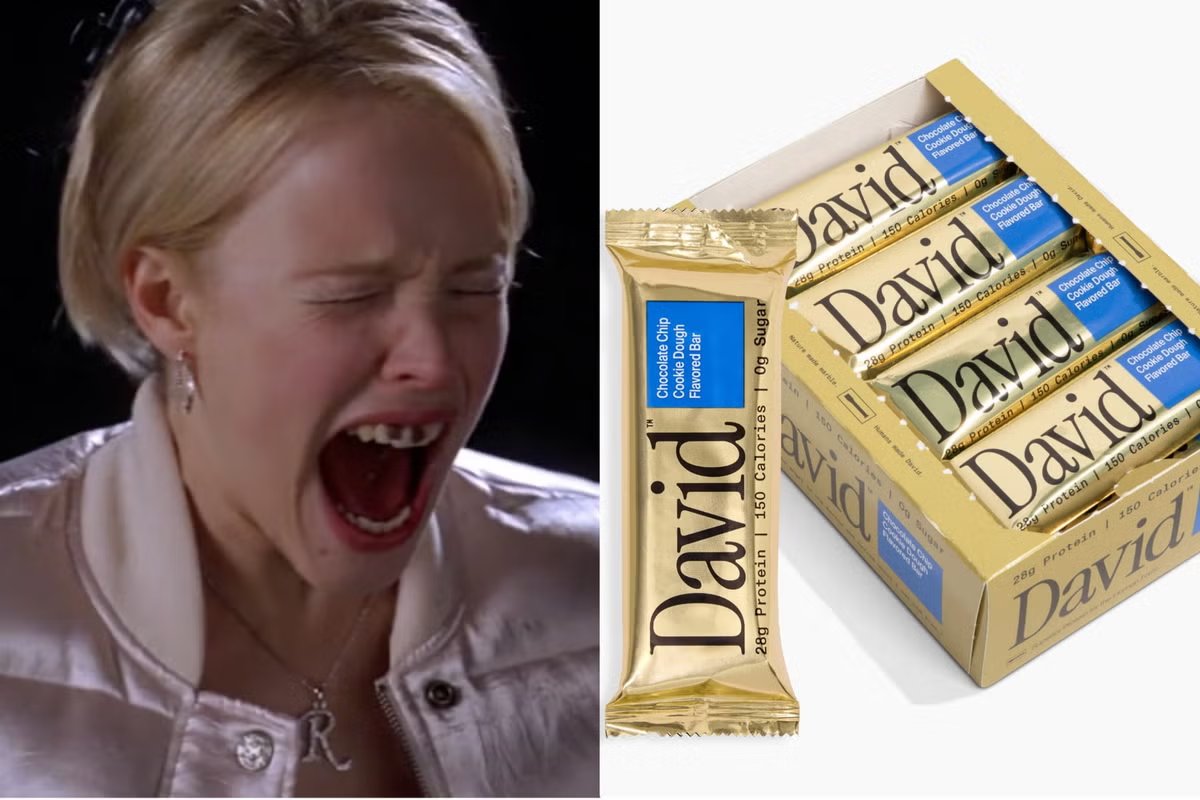
A class action lawsuit filed this January accuses popular wellness influencer favorite "David" bars of having up to 400% more fat than advertised. The complaint claims the company has been massively understating both calories and nutritional information, a serious challenge for its brand reputation among health-conscious consumers who rely on accurate data before purchasing these trendy snacks at prices around $5 per bar.
Key Points
-
1A class-action lawsuit has been filed against David Protein alleging that their popular snack bars contain significantly more fat and calories than advertised.
-
2The complaint claims specific discrepancies of over 80% in calorie content and up to 400% excess fat compared to the nutritional information on labels.
-
3David's CEO defended his company by stating 'no one is getting Regina Georged,' dismissing concerns about misleading labeling while customers accuse them of hiding unreported calories.
Developments
Perspectives
A class action lawsuit filed in January alleges that popular David protein bars contain more than 400% more fat and an additional 80 percent of calories compared to what is advertised on their labels.
— (NBC News)'No one' are getting 'Regina Georged', as the CEO insists despite class action lawsuits claiming that popular snacks have up to four hundred per cent more fats than label claims
— (Independent.co.uk)"A recent" lawsuit alleges David Protein misrepresented calorie and fat contents in its bars, a challenge for company known catering health-conscious customers.
— (CBS News)A class action lawsuit alleges that David protein bar labels are inaccurate because they contain significantly more fat and calories than advertised due to an ingredient (esterified propoxylated glycerol) not being digested by humans, whereas plaintiffs claim the discrepancy violates FDA standards. The company's founder argues its testing is flawed as it relies on bomb calorimetry rather than human digestion data for calculating caloric impact from this specific fat substitute.
A class action lawsuit alleges that David Protein bars contain up to four times more fat and significantly higher calorie counts than their labels claim due to inaccurate laboratory testing methods. The brand's CEO dismissed these accusations by arguing they stem from a misunderstanding of how calories are measured versus calculated for human energy absorption, though the legal dispute remains unresolved as reported in federal court documents filed earlier this year.
A class-action lawsuit alleges David Protein misrepresented its bars by understating calories and fat content based on third-party testing showing discrepancies as high as 83% for energy values. The complaint cites FDA guidelines regarding misbranding, while Linus Technologies responded with a social media post referencing the movie *Mean Girls*.
A class-action lawsuit alleges David Protein misbranded its bars by understating calorie and fat content based on third-party testing showing discrepancies exceeding 20% per FDA guidelines. The complaint cites Linus Technologies as a defendant, which responded with an Instagram statement referencing the movie *Mean Girls* while founder Peter Rahal previously claimed to stand behind their product accuracy.