US delays attacks as Trump claims major progress amid war day-24 tension
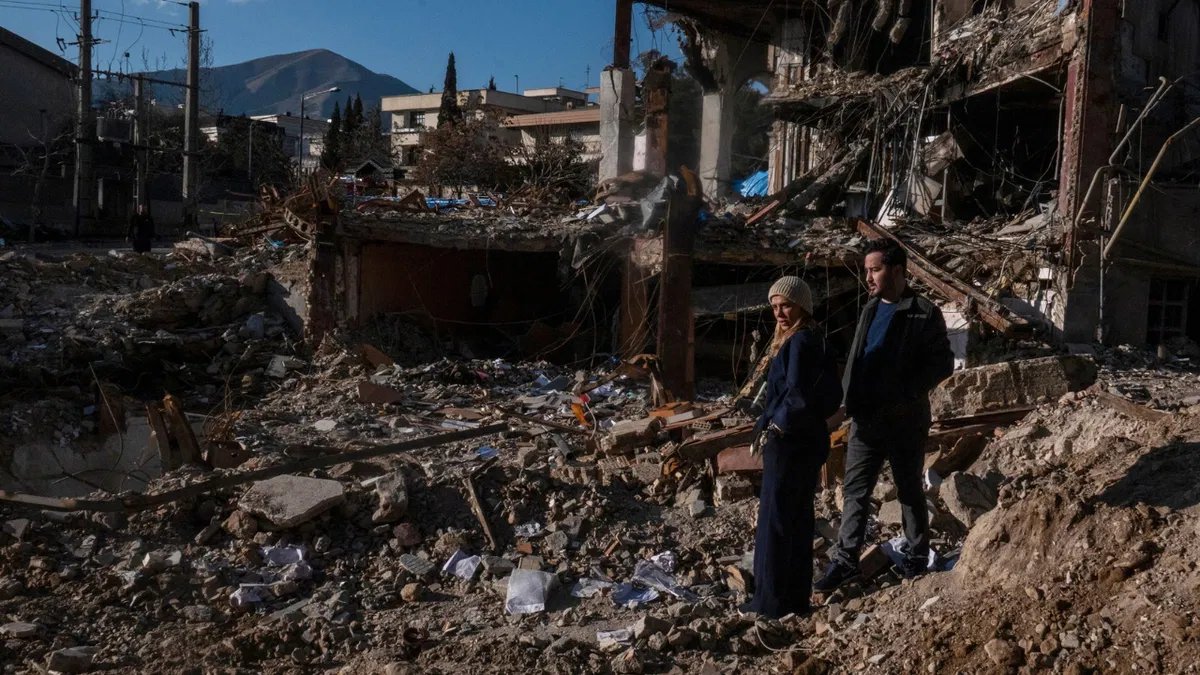
On the twenty-fourth and most intense week of conflict between Israel-US forces against Tehran, President Donald Trump announced a tactical pause to halt planned strikes on Iran's power infrastructure. While officials in Washington describe "major points of agreement" reached during renewed talks with Iranian leadership as evidence that diplomacy is succeeding, critics argue this delay merely buys time rather than resolving the escalating crisis.
Key Points
-
1President Trump announced a five-day delay in planned military strikes against Iran's energy infrastructure following claims he held productive conversations.
-
2Iranian authorities have forcefully denied that any direct negotiations or talks took place between the US and Tehran, labeling such statements as fake news.
Developments
Perspectives
President Donald Trump issued a stern warning that Iran must fully open the Strait of Hormuz within 48 hours or face bombardment, but he later reversed course after announcing talks.
— @zeeshanaleem.bsky.socialIran has forcefully denied any negotiations are taking place with Washington while President Donald Trump claims they have been holding constructive conversations about a complete resolution of the Middle East crisis.
— (English.hani.co.kr)"I have instructed the Department of War to postpone any and all military strikes" after what he called productive talks, though Tehran denies these discussions occurred at all according to its officials in Teheran on March 24th itself stating that no such contact has taken place.
— (Myrepublica.nagariknetwork.com)"Very strong and very good conversations" with Iran led Washington's President Donald Trump who ordered the postponement of any American attacks against Iranian power plants for five days according to reports from WASHINGTON on March 24th while Tehran denies direct contact.
— (Cgtn)President Trump reversed his threat against Iranian power plants from 48 hours later for five days following claims by special envoy Steve Witkoff of "productive" talks with an unnamed official. However, multiple high-ranking officials in Tehran deny the existence or productivity of these negotiations and characterize them as psychological operations designed to manipulate markets rather than genuine dialogue on ending hostilities.