David Protein Faces Class Action Over Misleading Calorie Labels on Low-Fat Bars
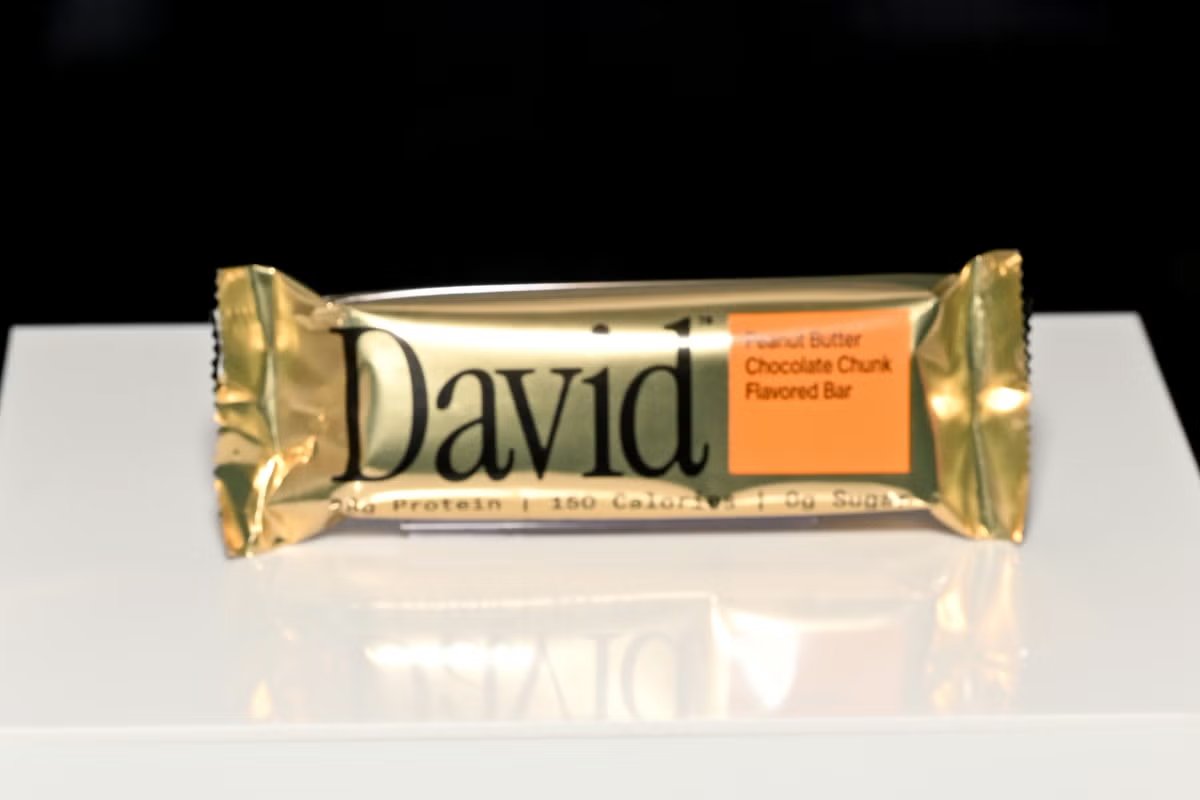
David Protein is facing an imminent class-action lawsuit alleging that its high-protein snack products contain significantly more calories and fat than advertised on their labels; three consumers have filed suit after accredited laboratories reportedly found bars contained up to 83 percent more calories, with some containing four times the claimed amount of saturated fats.
Key Points
-
1David Protein is facing an ongoing class-action lawsuit alleging its nutrition labels are deceptive regarding calorie and fat content.
-
2Three consumers claim laboratory tests revealed their products contain significantly more calories than advertised by up to 83 percent.
Developments
Perspectives
David Protein faces class-action lawsuits alleging its products contain far more calories and fat than advertised.
— (Scrippsnews)An accredited laboratory reportedly found David Protein bars contained up to 83 percent more calories, with some containing significantly higher amounts of other nutrients as well.
— "Independent.co.uk"The lawsuit alleges that the company's products contain far more fat than advertised.
— (Scrippsnews)David Protein bars are facing a class action lawsuit alleging they misrepresent both their calorie and content on labels, potentially undermining consumer trust in health-conscious snack markets.
— "Independent.co.uk"The protein revolution is driving demand for high-protein snacks like David Protein's glossy packaged products that promise specific nutritional benefits.
— (Nbcnewyork)David Protein's parent company faces a class-action lawsuit alleging its bars contained 78% to 83% more calories than advertised due to significantly higher-than-stated fat content. While FDA rules permit up to a 20% margin of error on nutrition labels, plaintiffs claim the discrepancies in their independent testing reveal products that do not meet consumers' expectations for low-calorie snacks designed by weight management goals
Three consumers are suing David Protein's parent company for deceptive labeling after independent testing found their bars contained 78% to 83% more calories than advertised. The plaintiffs allege this discrepancy is due significantly higher fat content, which contradicts the FDA-allowed margin of error and undermines consumer trust in weight management products.
David Protein's parent company faces a class-action lawsuit alleging its bars contained 78% to 83% more calories than advertised due to significantly higher-than-stated fat content. While FDA rules permit up to a 20% margin of error on nutrition labels, plaintiffs claim the discrepancy in their testing results is far larger and indicates deceptive practices regarding calorie counts for consumers managing weight through dieting or exercise programs like CrossFit workouts (as implied by context).
David Protein faces a class action lawsuit alleging its protein bars contain up to 83 percent more calories than advertised due to discrepancies between bomb calorimeter measurements (used for labeling) and human absorption data used by the company's CEO as an explanation, with plaintiffs seeking damages from consumers in California, Illinois, New York.
A federal class action lawsuit alleges that David Protein bars contain up to 83% more calories than advertised due to unlawful labeling practices involving its key ingredient EPG (egg protein gel). The plaintiffs claim the company knowingly inflated health stats, while founder Peter Rahal defends his product by stating it misunderstands how FDA measures these specific ingredients.