US Supreme Court Hears Arguments on Counting Late-Mail Ballots Ahead
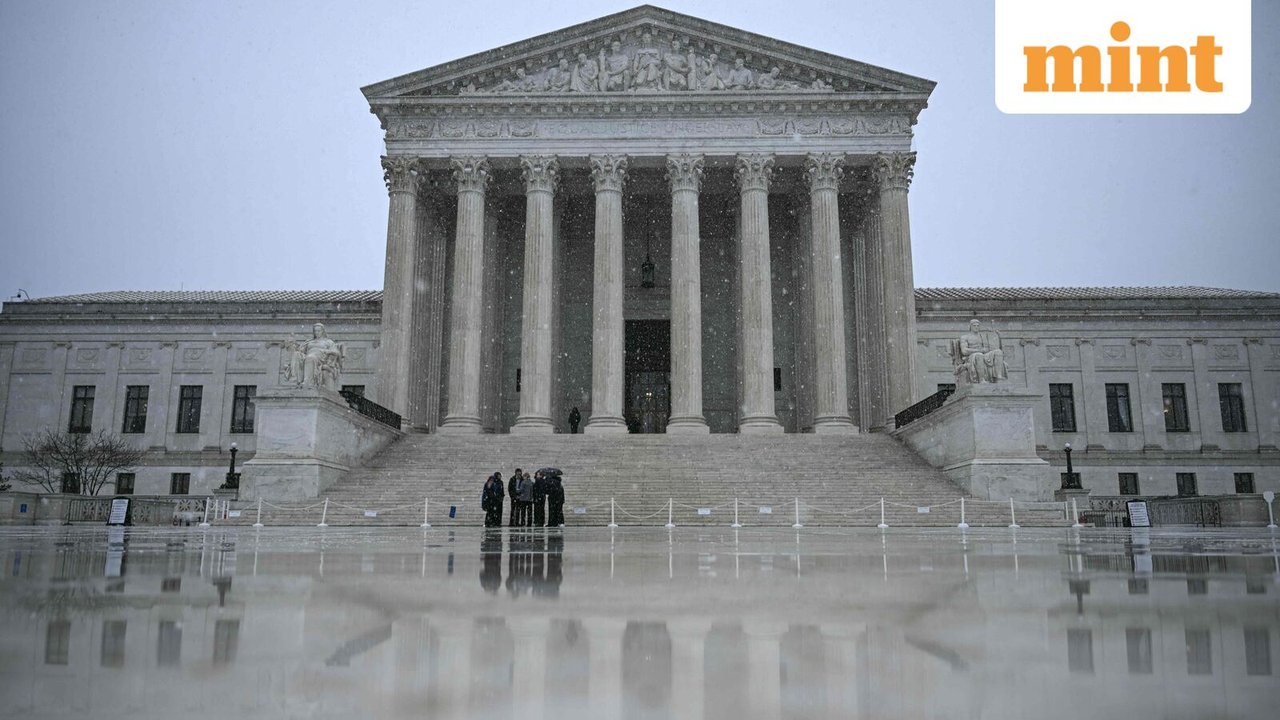
The U.S. Supreme Court began oral hearings Monday to address a legal challenge from the state of Mississippi concerning whether jurisdictions can continue counting absentee and mail-in ballots received late on Election Day despite being correctly mailed earlier, with more than dozen states permitting such postmark-based inclusion in election results
Key Points
-
1The U.S. Supreme Court is hearing oral arguments on whether to ban or allow counting mail-in ballots that were postmarked before Election Day but received after.
-
2More than a dozen states currently have grace periods allowing them to count late-arriving valid votes, while the outcome could impact voters in 14 additional states and D.C. if upheld nationally.
-
3The case originates from Mississippi regarding its specific rules for counting ballots cast by mail but received after Election Day.
Developments
The Supreme Court is hearing arguments on whether Mississippi can count late-arriving mail ballots postmarked by Election Day but received after that date. The outcome could impact 29 jurisdictions in upcoming elections and involves a challenge from President Trump's administration to overturn state grace periods for mailed votes, despite evidence of fraud being absent while officials warn such changes risk disenfranchisement.
Today, the U.S. Supreme Court will hear oral arguments regarding its consideration of whether to ban state laws allowing mail ballots postmarked by election day but received after that date. Currently, more than dozen states permit such a grace period for receiving absentee votes beyond Election Day hours and dates
The U.S. Supreme Court is hearing arguments this Monday regarding whether states can maintain grace periods for counting late-arriving mail ballots after the election deadline, a topic highlighted by President Donald Trump as an electoral issue with potential impacts on 2026 midterms and ballot processing in multiple jurisdictions including California's same-day registration system users who rely on extended deadlines.
The U.S. Supreme Court is hearing arguments on whether Mississippi can reject late-arriving mail ballots postmarked by Election Day but received after that date in time for 2026 midterms, a ruling Trump's administration seeks to uphold as part of his broader opposition to extended grace periods despite evidence supporting their safety and efficacy against fraud.