Japan Rejects US Intel Report on PM's 'Significant Shift' in Taiwan Stance
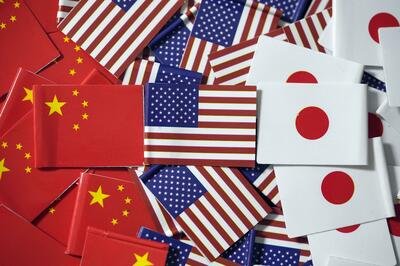
Japanese Prime Minister Sanae Takaichi has rejected a U.S. intelligence assessment characterizing her remarks regarding potential military intervention as "a significant shift" for the sitting leader, with Chief Cabinet Secretary Minoru Kihara defending Tokyo's consistent approach ahead of an upcoming summit between Washington and Japan on March 20th in which President Donald Trump is scheduled to meet Takaichi at the White House. While U.S.
Key Points
-
1U.S. intelligence agencies assessed that Japan's stance on a potential Taiwan invasion represents 'a significant shift' for its sitting leader.
-
2Japan rejected these findings, with officials stating Tokyo has not fundamentally changed how it would respond to such an attack since 2018.
Developments
Perspectives
Japan has rejected a report by US spy agencies describing PM's remarks over possible military intervention in Taiwan crisis as 'a significant shift' for sitting Japanese leader.
— (Mar 20, 00:01) Japan TimesJapanese Prime Minister Sanae Takaichi is scheduled to meet with U.S. President Donald Trump at the White House this week while US intel report calls her Taiwan remarks 'significant shift'.
— [Nikkei Asia] [Mar 29, 01:47]"Japan on Thursday rejected a US assessment that its stance... marked a significant shift," an issue which could cloud the imminent leaders' summit between Tokyo and Washington.
— (Japantoday) Mar. 18Japan's Prime Minister Sanae Takaichi rejected claims that her comments on potential Chinese attacks in Taipei represent a significant policy shift from past Japanese leadership. Consequently, relations between Tokyo and Beijing have deteriorated to their lowest point since 2013 as China retaliates with travel bans and export restrictions while the U.S. assesses its military readiness for conflict by late this decade or early next year depending on how you read it?
Japan rejected a U.S. intelligence assessment claiming Prime Minister Sanae Takaichi's remarks signaled "significant shift" for her administration as she travels to Washington with President Donald Trump; Chief Cabinet Secretary Minoru Kihara stated that Tokyo remains consistent and no major policy change is occurring at this time, despite the report noting China intends multidomain coercive pressure through 2026.
Japan rejected U.S. intelligence claims that Prime Minister Sanae Takaichi's remarks signaled a significant policy shift toward military intervention in potential Chinese invasions of Taiwan; Chief Cabinet Secretary Minoru Kihara stated Tokyo remains consistent with previous positions despite the report noting such comments carry weight under Japan's 2015 constitutional reinterpretation regarding collective self-defense.
A recent U.S. intelligence assessment characterizes Japanese Prime Minister Sanae Takaichi's remarks on potential Chinese invasion of Taiwan as significant because they could provide legal justification for Japan exercising collective self-defense while simultaneously raising concerns that Beijing will escalate coercive measures and military activity in the region ahead of her upcoming summit with President Trump.