Iran Opens Strait of Hormuz to Friendly Nations Including India and China
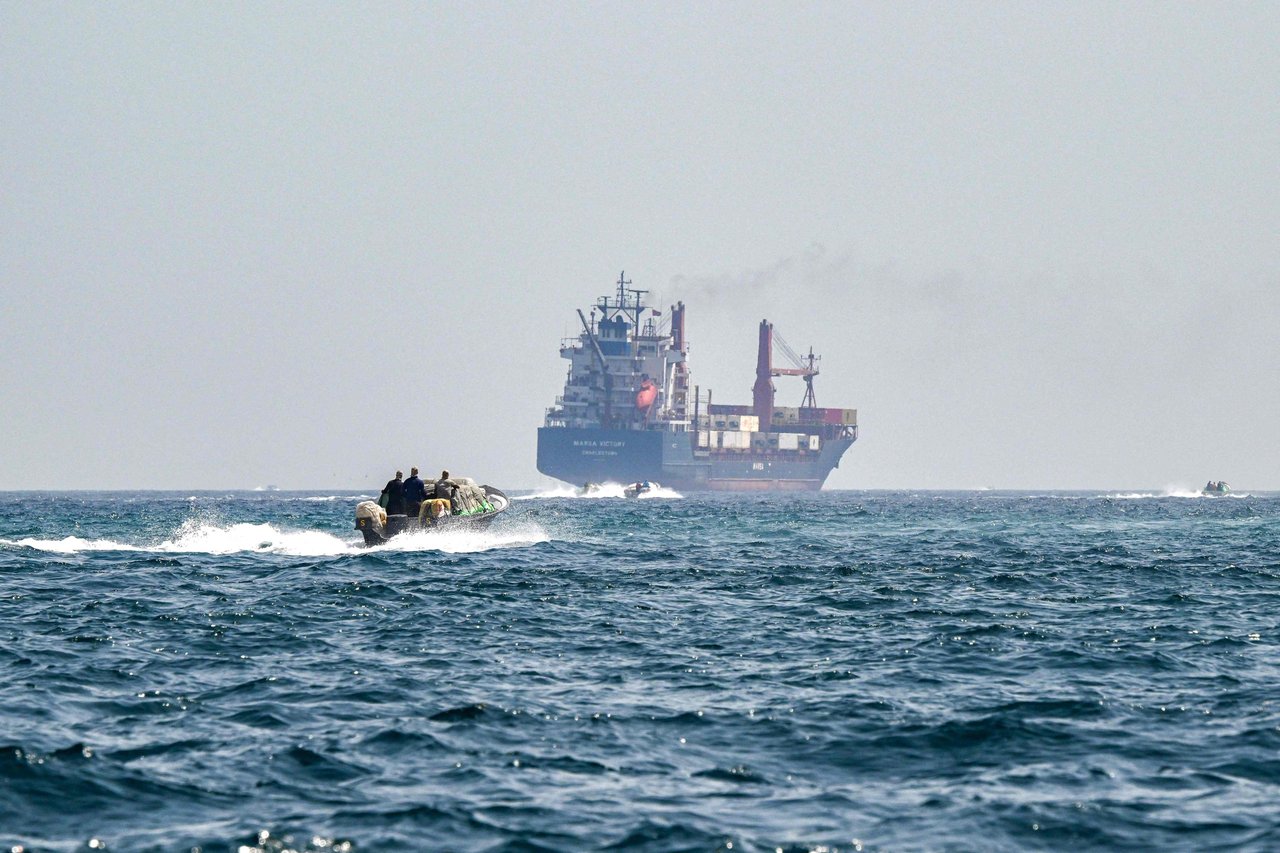
Iranian Foreign Minister Abbas Araqhi announced on March 26 in Tehran and Mumbai via his Consulate General, permitting vessel passages through the Strait of Hormuz specifically designated as "friendly nations," a list that explicitly includes India alongside China.
Key Points
-
1Irish Foreign Minister Abbas Arahghi announced on Thursday that vessels from friendly nations can now pass through the Straits of Hormuz.
-
2The closure or restriction previously imposed poses significant risks, including a potential global energy crisis and soaring oil prices with reported shortages worldwide.
-
3India is explicitly listed among these 'friendly' countries alongside China, Russia, Iraq, and Pakistan who are permitted passage.
-
4Arahghi clarified that the Straits of Hormuz has not been completely closed to all nations but remains open for specific friendly partners.
Developments
Iran's foreign minister has permitted "friendly nations," including India and China, passage through the Strait of Hormuz amid ongoing tensions with the US over oil prices surging globally while international bodies urge its reopening due to critical shortages. This decision comes as part of Iran's broader demands for sovereignty recognition in response to President Trump's peace plan during their escalating conflict.
Iranian Foreign Minister Abbas Araghchi stated that the Strait of Hormuz is closed only to enemies and their allies, while permitting passage for friendly nations including China, Russia, India, Iraq, Pakistan. This declaration comes amid global energy disruptions as UN Secretary-General Antonio Guterres calls on all parties to end the war immediately in order to reopen this critical maritime chokepoint.
Iranian Foreign Minister Abbas Araghchi confirmed on Thursday that friendly nations are permitted to pass freely through the open Strait of Hormuz, provided their ships do not engage in hostile actions against Iran and coordinate transit plans accordingly. This announcement follows calls from UN Secretary-General António Guterres for an immediate end to regional conflict due to its severe impact on global oil movement and civilian safety.