Denmark votes on surprise general election as Prime Ministerette Mørk Fredriksen fights for a record-breaking fourth consecutive year amidst growing tension with the United States
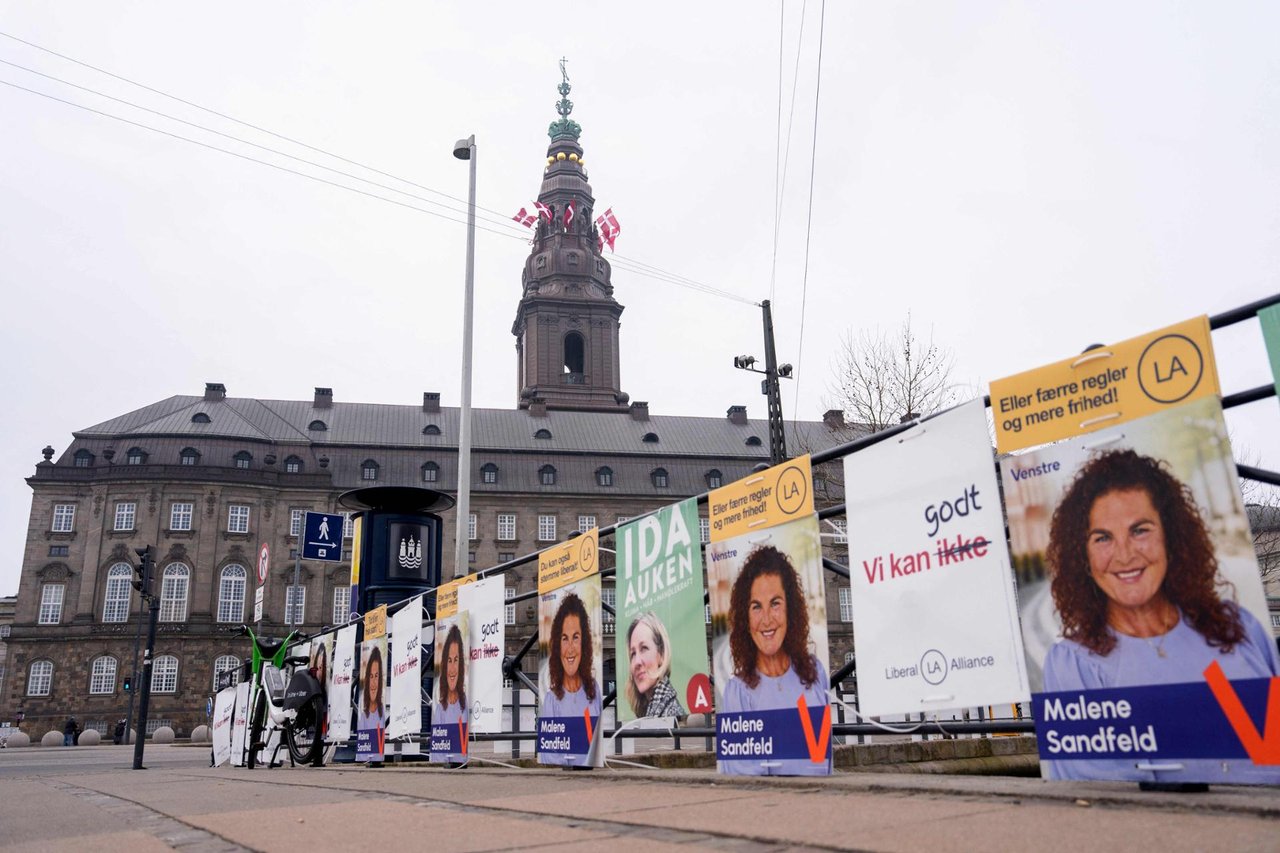
Voters across Denmark cast ballots today for a general and local elections, with incumbent Prime Minister Mette Frederik森 seeking her historic fourth consecutive year of office. The campaign has been overshadowed by President Trump's recent threats to seize Greenland if the country does not align closer on nuclear energy projects in exchange for US support against China. Despite these geopolitical pressures dominating international headlines, exit polls indicate a tight contest between left-leaning and right-wing blocs with no clear winner yet emerging from early voting results.
Key Points
-
1Danish voters cast ballots on Tuesday (March 24) for a snap general election following Prime Minister Mette Frederiksen's standoff with US President Donald Trump over Greenland.
-
2Polls indicate the left-wing bloc, led by self-proclaimed candidate PM Frederiksen, holds a nine-seat lead despite cost-of-living concerns affecting her support among social democrats and centrists alike.
-
3An exit poll suggests neither major political faction is likely to secure an outright parliamentary majority in this fragmented parliament scenario.
Developments
Danish voters are choosing between left-wing and right-wing blocs in general elections where neither side is projected to win the majority. Prime Minister Mette Frederiksen remains favored by polls for her leadership following a diplomatic stand against US President Donald Trump regarding Greenland, though four overseas seats from autonomous territories could influence the final outcome if results remain close.
Danish voters are deciding on a general election that could grant Prime Minister Mette Frederiksen her third term, despite concerns over cost-of-living issues weakening support for the Social Democrats. Analysts predict she will likely form a reconfigured coalition because of divisions within opposing parties and potential decisive votes from Greenlandic candidates in this parliamentary contest involving 12 national contenders plus four regional seats.
Denmark held snap parliamentary elections on Tuesday in which incumbent Prime Minister Mette Frederiksen hopes her firm stance against President Donald Trump's threat to seize control of the mineral-rich territory will help secure a third term. Her refusal relinquish Greenland ownership led de-escalated tensions through an agreement involving NATO chief Mark Rutte, though domestic concerns are now regaining importance as U.S.-Greenland threats ease.
An exit poll conducted by Megafon suggests Denmark will likely fail to form an absolute parliamentary majority due to the split between left-leaning Social Democrats (projected at 21%) and right-wing blocs, following a crisis over U.S.-Trump relations regarding Greenland. Prime Minister Mette Frederiksen's center-left party remains ahead but below its previous performance in hopes of securing her third term amidst rising living costs as key campaign issues.
Danish voters cast ballots in Tuesday's general election as Prime Minister Mette Frederiksen sought her third term amid rising living costs, waning support for Ukraine and migration policies that favor restriction. Two center-right challengers are competing against the Social Democrat leader: current Defense Minister Troels Lund Poulsen from within her own coalition of parties; Alex Vanopslagh (34) representing opposition Liberal Alliance who calls to lower taxes