Researchers urge AI toy regulation after study reveals emotional misinterpretation risks
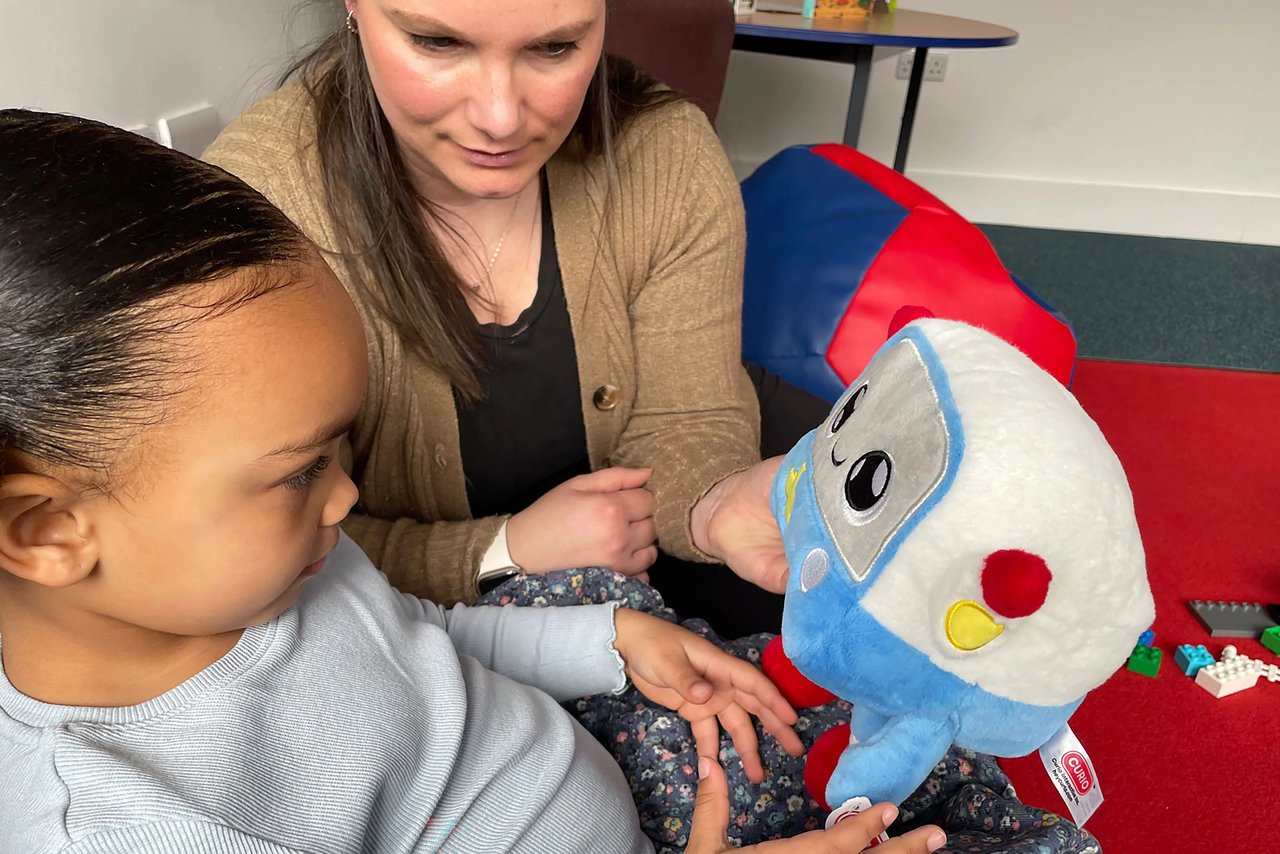
A groundbreaking University of Cambridge report warns that generative AI toys are dangerously "misreading emotions" and responding inappropriately to children, prompting urgent calls from researchers worldwide for tighter regulatory frameworks before age five is reached during critical developmental years.
Key Points
-
1Researchers warn that AI toys for children under five misread emotions and respond inappropriately, raising concerns about psychological safety.
-
2A first-of-its-kind study by the University of Cambridge found these generative AI devices can create a 'parasocial' trap through human-like conversation with toddlers.
-
3Experts are calling for tighter regulations on AI-powered playthings to better protect young children's development and emotional well-being.
Developments
Perspectives
Researchers are warning parents and educators to beware of AI toys after a first-of-its-kind study observed children telling the AI toys they loved them or that they were sad.
— [Mar 13, 18:08] Researchers call for AI toy regulations over fears for children's 'psychological safety' (Independent.co.uk)Researchers are calling for tighter regulation of AI-powered toys designed for toddlers after conducting one of the first tests in the world to investigate how under-fives interact with technology.
— [Mar 13, 09:54] As AI Toys Become The Next Big Thing (Huffingtonpost.co.uk)Researchers warn that generative AI toys capable of human-like conversation may influence development in the years up to age five and should be more tightly regulated.
— [Mar 13, 06:54] As AI Toys Become The Next Big Thing (Huffingtonpost.co.uk)A study observed a child named Charlotte interacting with an £80 plaything called Gabbo at London's Play Centre where she offered kisses and discussed her family.
— [Mar 13, 24:59] AI toys for children misread emotions (The Guardian)Researchers warn that generative AI toys misread children's emotions and struggle to facilitate important play during critical developmental stages. Consequently, experts are calling for safety regulations regarding these interactive non-human agents due to concerns over psychological harm and unclear privacy practices in conversations with under-five-year-olds.
Researchers warn that AI-powered toddler toys, such as Gabbo from OpenAI and Cambridge University studies on children aged three to five frequently misread emotions or responded inappropriately. For example, when a child expressed sadness ("I'm sad"), the toy replied with cheerful banter instead of offering comfort, highlighting concerns about generative output confusing young learners during critical social development stages.
Researchers warn that AI-powered toys for toddlers, such as Gabbo containing an OpenAI chatbot, frequently misread children emotions and respond inappropriately due to a lack of differentiation between adult and child voices. These interactions can confuse preschoolers at critical developmental stages by failing to provide comfort or recognizing distress when they express sadness.
A University of Cambridge study found that many current AI toys for young children struggle with social play and misinterpret emotions due to rigid safety guardrails, leading researchers to call for stricter regulations on how these devices handle friendship claims like "I love you." The research highlights specific cases where such interactions caused awkward halts in conversation or failed comfort responses when the toy contradicted a child's expressed feelings.
A University of Cambridge report urges tighter regulation on AI-powered toys for young children due to their inability to engage in appropriate social play or understand emotions correctly. The study found that while these devices can support language skills, they often misinterpret feelings and may prevent children from seeking necessary emotional comfort from adults instead of sharing them with grown-ups.