Iran Strikes World's Largest LNG Hub in Qatar, Oil
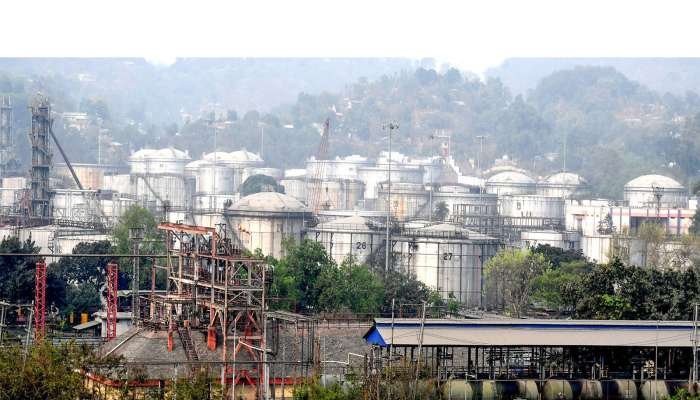
Iranian missile strikes on Ras Laffan Industrial City—the world's largest liquefied natural gas facility—have caused global energy markets to spike as fears of a supply crunch intensify. Brent crude jumped over 4% this morning trading at $112–$115 per barrel, while European and Asian LNG prices surged up to 30%, marking their highest levels since the conflict began in October. Qatar confirmed "extensive damage" following Tehran's retaliation for Israel’s attack on Iran's South Pars gas field earlier that week.
Key Points
-
1Iran launched retaliatory missile strikes on Ras Laffan Industrial City in Qatar, identified as the world's largest LNG facility.
-
2The attacks caused European gas prices to surge approximately 30% and Brent crude oil prices jumped over $14 per barrel (to around $128 USD).
-
3Global markets reacted with immediate fear of a supply crunch following Israel's prior strike on Iran's South Pars Gas field.
Developments
Iran escalated its war on energy infrastructure with missile strikes damaging Qatar's Ras Laffan LNG hub while simultaneously attacking Saudi Arabia and Kuwait oil refineries. These attacks caused Brent crude to rise nearly 8% to $115 a barrel, as Iran threatened further assaults across the Middle East that experts warn could push prices even higher by disrupting global supply chains.
Geopolitical tensions escalated after Iran attacked Qatar's LNG facilities and Israel struck an Iranian gas field in West Asia. Consequently, Brent crude futures rose by over six percent while natural gas prices surged globally due to fears of supply disruptions through key shipping routes like the Strait of Hormuz.