S. Korea Activates Emergency Mode As Iran Oil Shock Deepens
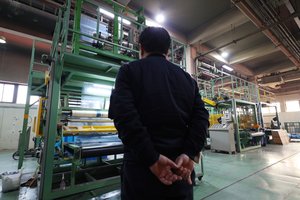
Prime Minister Kim Min-seok has activated emergency economic planning and formed special teams to address escalating repercussions from Middle East tensions, with officials warning that the impact could persist for up to six months as South Korea braces for worst-case scenarios. The government is now prioritizing energy security amid fears of a significant oil shock driven by ongoing regional conflict in Iran's vicinity.
Key Points
-
1South Korean officials have declared a state of 'emergency mode,' shifting from normal operations due to escalating Middle East conflict.
-
2Prime Minister Kim Min-seok has ordered the formation of two specific teams focused on safeguarding South Korea's economy and citizens' livelihoods.
Developments
Perspectives
South Korean officials are warning that they must prepare for 'worst-case scenarios', with supply disruptions expected to persist as long-term repercussions from armed conflict in the Middle East.
— [Mar 25, 03:21] S. Korea enters emergency mode as Middle East crisis bites (Koreaherald)The South Korean government has shifted into an official 'emergency' state to undertake preemptive measures against external uncertainties caused by the ongoing conflict.
— [Mar 25, 04:10] South Korea enters emergency mode as Middle East crisis bites (Straitstimes)In response to escalating tensions in a region that has been at war for years and is now facing new threats from Iran's nuclear program
South Korea is establishing emergency economic task forces and monitoring systems to prepare for prolonged disruptions caused by the Middle East conflict over its heavy reliance on energy imports from that region. In response, Seoul implemented measures such as fuel price caps aimed at containing inflationary pressures driven by surging global oil prices following Iran's closure of critical waterways like the Strait of Hormuz.
On March 25, South Korea activated its emergency economic response system due to prolonged Middle East conflict risks threatening energy supply chains that heavily impact industry-dependent imports. President Lee Jae Myung will lead daily monitoring meetings at the Blue House while Prime Minister Kim Min-seok chairs an accompanying headquarters tasked with supporting national crisis management efforts for potential impacts lasting up to six months.
South Korea has activated its transitory economic response system to address potential Middle East conflict repercussions that officials estimate could persist for up to six months due to ongoing oil and gas supply disruptions. President Lee Jae Myung is leading an emergency meeting structure designed with daily monitoring sessions, while the government plans briefings on outcomes at least once a week as it prepares countermeasures based on various scenarios.
In response to escalating Middle East tensions involving the U.S., Israel, and Iran, South Korea announced two emergency economic teams led by President Lee Jae Myung. Prime Minister Kim Min-seok emphasized proactive planning for potential prolonged crises while existing conservation measures address vulnerabilities related to energy imports through the Strait of Hormuz.