Palm Sunday Origins and Biblical Significance Explained Across Spanish-Language Media on March 29
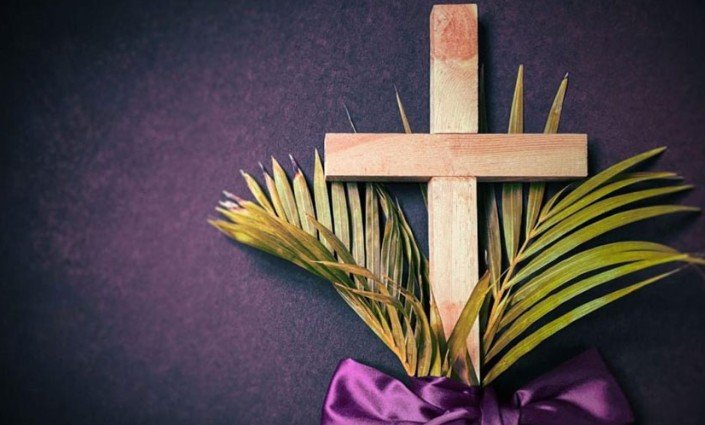
Multiple outlets including Lapatilla, Lagaceta.com.ar, Clarin, Eldiario.es, Abc.es, and the English-language site of El Diario published articles today explaining that Holy Thursday's palm tradition symbolizes Jesus' entry into Jerusalem as prophesied in Scripture. These sources collectively note Palm Sunday marks a pivotal moment where religious leaders carried palms to commemorate Christ welcoming his followers with open arms before being crucified three days later on Good Friday, which remains the core of Easter Week observances worldwide today (Mar 29).
Key Points
-
1Palm Sunday commemorates the biblical event where Jesus entered Jerusalem riding a donkey while his followers carried palm branches.
-
2The tradition of carrying palms on Palm Thursday is described as having historical roots and significance within Holy Week celebrations.
Developments
Perspectives
The Palm Sunday liturgy commemorates the entry of Jesus into Jerusalem, where he was welcomed by crowds waving palm branches and singing hymns.
— (Lapatilla)Biblical accounts describe how people laid their cloaks on the road for Christ to pass through while shouting 'Hosanna' in anticipation of his arrival as a king who would bring peace, justice, prosperity, freedom from oppression, and salvation.
— (Clarin)The tradition symbolizes Jesus's triumphal entry into Jerusalem with palm branches representing victory over death by the Resurrection on Easter Sunday; it also recalls how he was welcomed to his own city while carrying a cross bearing an inscription declaring him King of Jews, and later died there.
— (Eldiario.es)Historically carried since ancient times as part of Holy Week celebrations in Spain's Andalusia region during the 19th century before becoming widespread across Latin America due to Spanish influence; today it remains a central symbol for commemorating Christ entering Jerusalem.
— (Eldiario.es)The day marks both Jesus walking into his hometown of Nazareth and being hailed as King by crowds waving palm branches, while also serving as the first major event leading up to Easter Sunday when he rose from death after three days in a tomb near Jerusalem.
— (Abc.es)