Danish PM Frederiksen leads election but lacks majority as exit polls show fragmented parliament
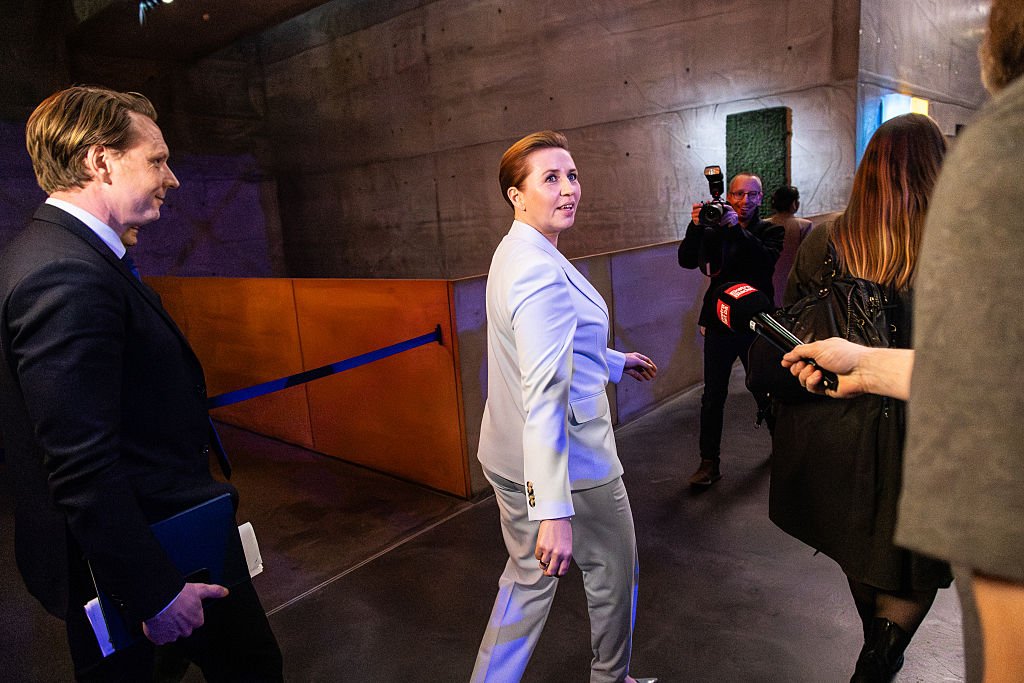
Exit polling data from Tuesday indicates that Prime Minister Mette Frederiksen's Social Democrats are leading the vote, yet their coalition with other left-wing parties falls short of a parliamentary majority due to significant fractures within Denmark's right wing. While early results suggest she is inching toward her third term in office and may retain power through negotiations or forming an alternative government structure, analysts warn that too many seats remain unaccounted for as the election concludes without clear consensus on which party will form the next administration.
Key Points
-
1Danish Prime Minister Mette Frederiksen and her left-wing bloc led Tuesday's election but failed to secure an outright majority.
-
2Exit polls indicate the Social Democrats received their weakest showing in over a decade, overshadowed by domestic cost-of-living concerns rather than geopolitical issues like Greenland tensions with President Trump.
Developments
An exit poll indicates Prime Minister Mette Frederiksen is likely losing ground due to her campaign's emphasis on economic issues rather than the Greenland crisis, with all three parties of her government projected to lose seats. This outcome could allow Foreign Minister Lars Løkke Rasmussen and his centrist party to act as kingmakers in determining whether she can secure a third term despite Social Democrats dropping below 21% support compared to their previous election result.
Danish Prime Minister Mette Frederiksen's Social Democrats suffered their worst election result since 1902 after voters prioritized domestic cost-of-living concerns over her tough stance on Greenland and international affairs. Exit polls show the party collapsing to between 83% (left-wing bloc) or lower, forcing a potential need for cross-spectrum support as she attempts to form an unprecedented coalition government in Denmark's first such effort since nearly four decades ago